






What's Happening?
A 68-year-old French visitor, Pierre Michel Formosa, died in Death Valley after becoming stranded on a remote road with a companion. The pair were visiting on Monday when their car became stuck in the mud on West Side Road near Queen of Sheba Mine Road.
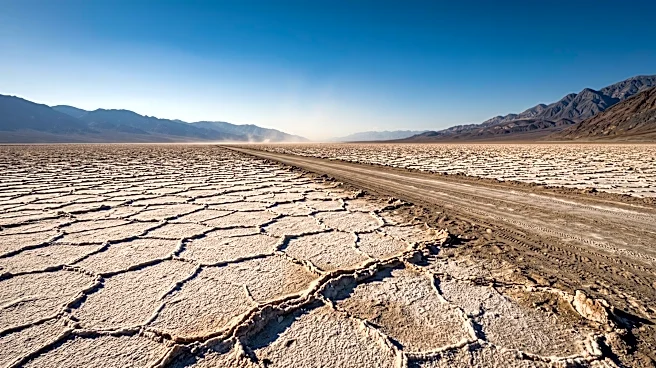
With no other vehicles in the vicinity, they began walking across the salt flats towards Badwater Road in extreme 116-degree heat. Formosa was unable to continue after walking approximately 1.3 miles. His companion proceeded to Badwater Road, where he eventually received assistance from a passing motorist and reported the incident in Furnace Creek. A search and rescue operation was launched later that afternoon, and crews located Formosa deceased about 1.5 miles from Badwater Road. The cause and manner of his death have not yet been released.
Why It's Important?
This tragic incident serves as a critical warning about the severe dangers of Death Valley's extreme conditions, particularly its intense heat, vast distances, and remote terrain. It highlights the vulnerability of visitors, even those with some experience, to the harsh environment if proper precautions are not taken. For national park services, it underscores the ongoing challenge of ensuring visitor safety in hazardous natural landscapes and the need for clear communication regarding risks. The event also has implications for international tourism, as it involves a foreign national, potentially prompting travel advisories or increased awareness campaigns for visitors from abroad about the specific dangers of U.S. desert environments. The incident emphasizes the importance of preparedness, reliable transportation, and emergency communication when exploring remote areas.
What's Next?
Death Valley National Park officials will likely continue to investigate the circumstances surrounding Formosa's death, including reviewing the timeline of events and the specific conditions that led to the vehicle becoming stuck. The park may also reinforce its public safety messages, urging visitors to be adequately prepared for extreme heat, carry sufficient water, and inform others of their travel plans, especially when venturing into remote areas. There could be discussions about enhancing signage or warning systems in particularly hazardous or remote sections of the park. The French consulate may also be involved in assisting Formosa's family and addressing any international implications of the incident.
Beyond the Headlines
This incident brings to light the broader ethical and practical challenges faced by national parks in balancing public access with visitor safety in inherently dangerous environments. It raises questions about the extent to which parks can or should intervene to prevent individuals from undertaking risky activities, and the effectiveness of current warning systems. The story also touches on the human element of resilience and vulnerability in the face of nature's extremes, as Formosa's companion continued to seek help despite the perilous conditions. Furthermore, it highlights the critical role of search and rescue teams, who often operate under challenging circumstances to assist those in distress, and the emotional toll such operations can take on them. The event serves as a poignant reminder of the respect and preparation required when engaging with powerful natural landscapes.