





What's Happening?
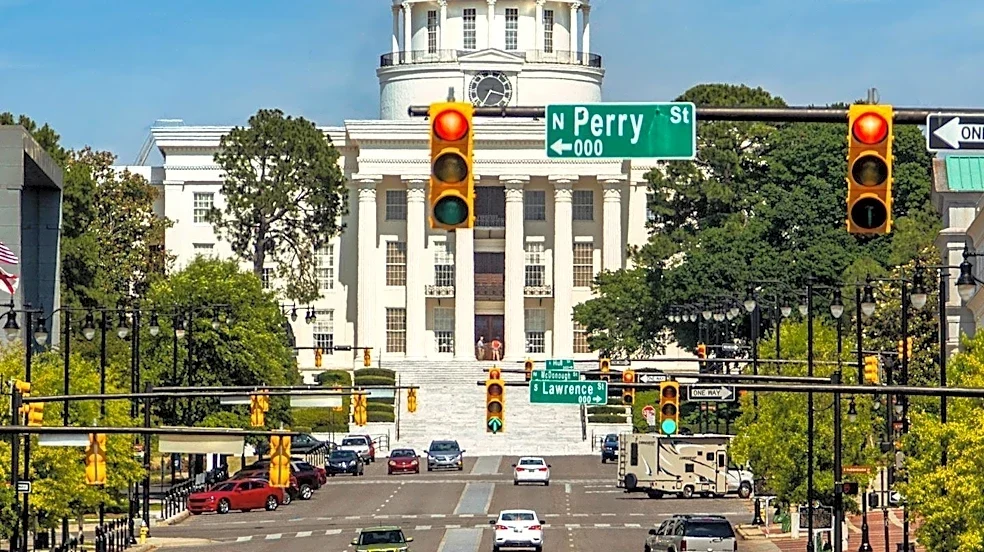
The Satsuma Water & Sewer Board has registered its first federal lobbying effort, marking its official entry into Washington D.C. politics. The Alabama utility's primary focus areas for lobbying are appropriations and emergency preparedness. This move
comes as federal funding for water infrastructure is a significant topic, with the U.S. Environmental Protection Agency (EPA) announcing $7.2 billion in fiscal year 2026 Clean Water and Drinking Water State Revolving Fund allotments. These funds are derived from annual appropriations and the Infrastructure Investment and Jobs Act. Additionally, FEMA recently allocated $244,000 to Satsuma Water and Sewer for generators and emergency power, as part of nearly $500,000 for two Alabama Hazard Mitigation Grant Program projects. The need for such funding was highlighted by Rep. John Joyce (R-PA) at a House Subcommittee on Environment hearing, where he emphasized the necessity of federal funding for aging drinking water systems.
Why It's Important?
The Satsuma Water & Sewer Board's decision to engage in federal lobbying underscores the critical need for local utilities to secure national funding for essential infrastructure. This initiative reflects a broader trend where local entities are increasingly seeking federal support to address aging infrastructure and enhance emergency preparedness, especially in the face of growing environmental challenges and natural disasters. The availability of significant federal funds, such as the EPA's $7.2 billion allocation and FEMA's hazard mitigation grants, makes direct lobbying a strategic move for local utilities. Success in these lobbying efforts could lead to improved water and sewer systems, increased resilience against emergencies, and better public health outcomes for the communities they serve. Conversely, a lack of federal engagement could leave communities vulnerable to infrastructure failures and underfunded emergency responses, highlighting the importance of proactive federal advocacy.
What's Next?
The Satsuma Water & Sewer Board will likely continue its lobbying efforts in Washington D.C., focusing on securing appropriations for water and sewer projects and enhancing emergency preparedness. Their registration indicates a long-term commitment to federal engagement. Other local governments and utilities, observing the potential benefits of such advocacy, may follow suit, leading to increased competition for federal funds. The ongoing discussions in Congress regarding drinking water legislation and infrastructure funding will be crucial for the success of these efforts. The board will need to effectively articulate its specific needs and align them with federal priorities to maximize its chances of securing additional funding and support for its initiatives.
Beyond the Headlines
The increasing federal lobbying by local water and sewer boards like Satsuma's points to a deeper systemic issue: the underfunding and aging of critical infrastructure across the U.S. While federal programs exist, the sheer scale of the problem often necessitates direct advocacy from local entities. This trend could lead to a more centralized approach to infrastructure development, with local needs being directly communicated to federal lawmakers. It also raises questions about equitable distribution of federal resources, as communities with more robust lobbying capabilities might gain an advantage. The focus on emergency preparedness also highlights the growing recognition of climate change impacts and the need for resilient infrastructure to protect communities from future disasters.