




What's Happening?
The city of Las Vegas has announced an 8.2% increase in both sewer service fees and sewer connection fees, effective January 1, 2027. For single-family residences without pools, this translates to a quarterly increase of $7.52, or $30.06 annually. Sewer
connection fees will see a $265 increase per Equivalent Residential Unit. This adjustment is based on a rolling Consumer Price Index calculation (5-year average) plus an additional 4% approved by the City Council for a 10-year period. The current sewer rates were established through a rate study and code revisions adopted on September 7, 2022, following public notice. The city has also budgeted significant funds for infrastructure improvements, including $64.5 million for Fiscal Year 2027 and a total of $461.4 million over the next five years for plant upgrades and major sewer improvement projects.
Why It's Important?
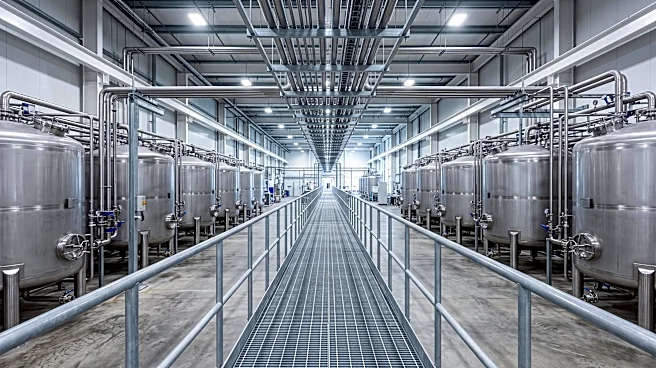
This fee increase is important for Las Vegas residents and businesses as it directly impacts household budgets and development costs. The additional revenue is earmarked for critical capital expansion and replacement projects at the Water Pollution Control Facility and its associated sewage collection system. These investments are essential to accommodate the city's growth and ensure the ongoing maintenance of vital infrastructure. Without these upgrades, the city could face challenges in managing wastewater effectively, potentially leading to environmental issues or service disruptions. For residents on fixed incomes, the city offers a rebate program, as outlined in Las Vegas Municipal Code 14.04.040, allowing qualified property owners to receive a 20% rebate on the annual sewer service fee, which aims to mitigate some of the financial burden on vulnerable populations.
What's Next?
Starting January 1, 2027, residents and businesses in Las Vegas will see the increased sewer service and connection fees reflected in their bills. The city will proceed with its planned capital improvement projects, with $64.5 million allocated for Fiscal Year 2027 and a total of $461.4 million over the subsequent five years. These projects include the Owens Avenue Sewer Interceptor, Sewer Rehabilitation Group P – Centennial Center Relief Sewer, Annual Sewer Assessment, and rehabilitation efforts at the Water Pollution Control Facility's Dewatering and Headworks facilities. Residents on fixed incomes who qualify for the rebate program should ensure they apply to receive their 20% rebate on the annual sewer service fee. The city will continue to monitor the Consumer Price Index for future annual adjustments to these fees, as per the established method.
Beyond the Headlines
The decision to increase sewer fees reflects a broader trend in rapidly growing U.S. cities facing the challenge of maintaining and expanding aging infrastructure to keep pace with population growth. While fee increases can be unpopular, they are often a necessary measure to ensure the long-term sustainability and reliability of essential public services. The significant investment in the Water Pollution Control Facility and the sewage collection system highlights the critical importance of wastewater management for public health and environmental protection. The city's provision of a rebate program for fixed-income residents also underscores an attempt to balance infrastructure needs with social equity concerns, acknowledging the disproportionate impact such increases can have on vulnerable segments of the population. This approach could serve as a model for other municipalities grappling with similar infrastructure funding dilemmas.