
What's Happening?
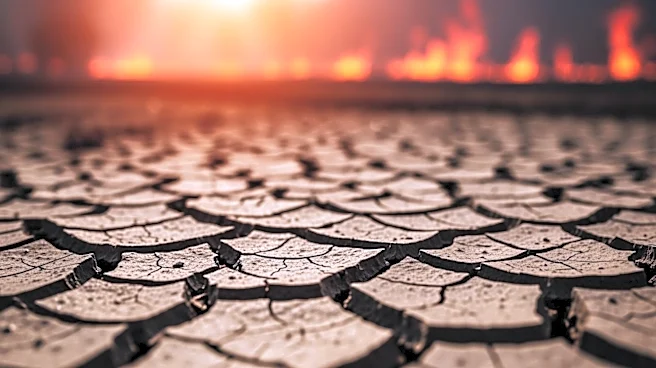
Wildfires are rapidly spreading across southeastern Georgia and northern Florida, destroying nearly 50 homes and prompting widespread evacuations. The fires, fueled by a prolonged drought, low humidity,
and strong winds, have led to the closure of schools and the opening of emergency shelters. In Georgia, the Brantley County fire has already destroyed 47 homes and threatens 300 more, with at least 800 evacuations reported. In Florida, 131 wildfires have burned 34 square miles, marking one of the worst fire seasons in decades. Firefighting resources are being strategically positioned to combat the blazes, and air quality warnings have been issued due to smoke drifting to major cities like Atlanta and Jacksonville.
Why It's Important?
The wildfires highlight the severe impact of climate conditions on the southeastern U.S., particularly the prolonged drought that has exacerbated fire risks. The destruction of homes and the displacement of residents underscore the urgent need for effective disaster management and resource allocation. The fires also pose significant challenges to local economies, as they disrupt daily life and strain emergency services. The situation calls attention to the broader implications of climate change and the necessity for adaptive strategies to mitigate such natural disasters.
What's Next?
Efforts to contain the wildfires will continue, with firefighting teams working to protect threatened communities. The National Weather Service warns that the high fire risk will persist due to ongoing dry conditions, potentially leading to further evacuations and property damage. Authorities are likely to enhance their response strategies, including deploying additional resources and coordinating with federal agencies. The situation may prompt discussions on long-term solutions to address drought and fire management in the region.