

What's Happening?
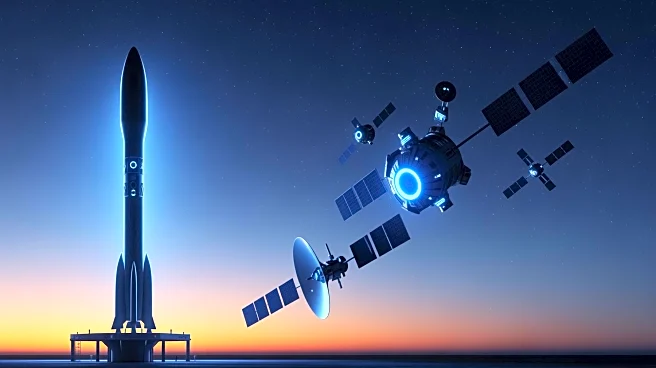
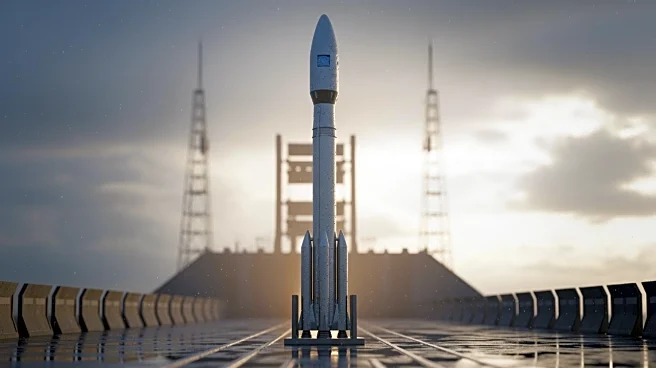
United Launch Alliance (ULA) is set to launch its Vulcan rocket on a mission for the United States Space Force (USSF). Scheduled for a predawn liftoff from Cape Canaveral Space Force Station, the mission, designated USSF-87, will carry multiple satellites,
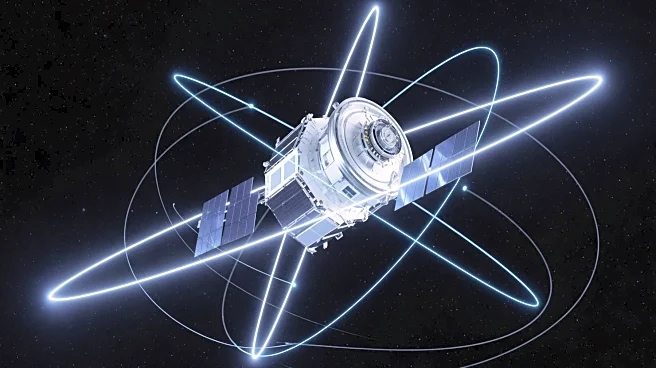
although the exact number has not been disclosed. This launch marks ULA's second national security mission using the Vulcan rocket, which is designed for complex missions to geosynchronous Earth orbit. The primary payload includes the Geosynchronous Space Situational Awareness Program (GSSAP) satellites, which enhance the U.S. Space Command's ability to monitor activities in geostationary orbit. The mission will also include additional research and development systems to improve on-orbit maneuvering tactics. The launch is expected to last 10 hours, with favorable weather conditions predicted, although solar activity is being monitored.
Why It's Important?
This launch is significant for U.S. national security as it enhances the country's space situational awareness capabilities. The GSSAP satellites play a crucial role in monitoring geostationary orbit, which is vital for national defense and the protection of space assets. The mission also demonstrates ULA's capabilities with the Vulcan rocket, which is designed for complex and long-duration missions. The successful deployment of these satellites will bolster the U.S. Space Force's ability to conduct space operations and maintain a strategic advantage in space. Additionally, the mission supports the development of new tactics and technologies for space operations, which are essential for maintaining the resilience and protection of U.S. assets in space.
What's Next?
Following the launch, the U.S. Space Force will integrate the new satellites into its existing network to enhance its space situational awareness capabilities. The additional research and development systems on board will be used to refine operational tactics and improve the resilience of U.S. space assets. ULA will continue to monitor the performance of the Vulcan rocket and gather data to support future missions. The success of this mission could lead to more national security launches using the Vulcan rocket, further solidifying ULA's role in supporting U.S. space operations.