



What's Happening?
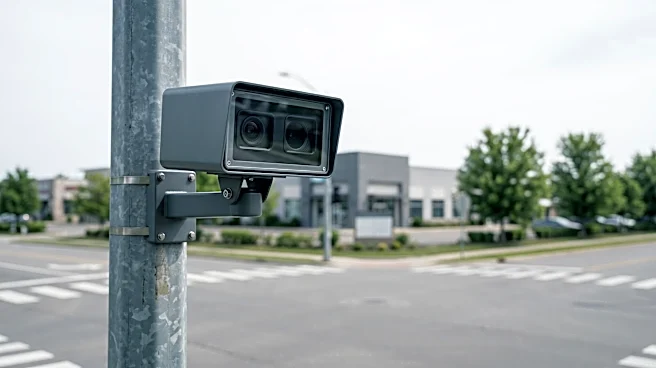
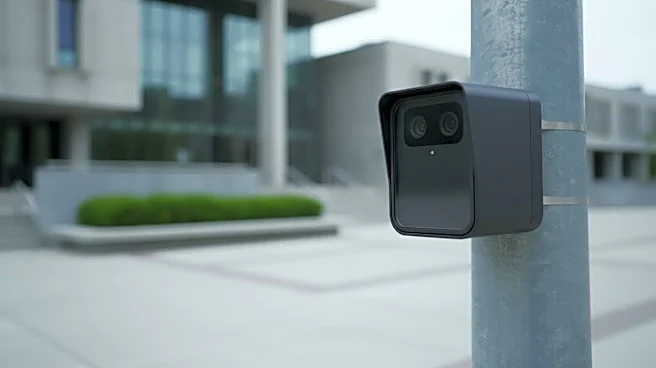
The Will County Board has approved the installation of Flock cameras, which are license plate readers, on county highways in six municipalities: Mokena, Crete, Manhattan, Frankfort, Naperville, and Wilmington. The decision followed a heated public debate
where residents expressed concerns about potential misuse of the technology, mass surveillance, and privacy violations. Opponents cited instances of officers misusing Flock cameras to track individuals and raised fears about their use in immigration enforcement and reproductive healthcare matters. Despite these concerns, law enforcement officials, including Naperville Police Chief Jason Arres, defended the technology, emphasizing its benefits in crime prevention and accountability, while acknowledging the need to address misuse. The board did not approve the measure for Beecher and included amended language allowing participating cities and villages to withdraw from the agreement.
Why It's Important?
The approval of Flock cameras in Will County reflects a growing national tension between public safety and privacy rights in the age of advanced surveillance technology. While law enforcement advocates for these cameras as crucial tools for solving crimes and enhancing community safety, civil liberties advocates and concerned residents fear the potential for widespread tracking and abuse of personal data. The debate highlights the challenges local governments face in balancing these competing interests. The inclusion of an opt-out clause for municipalities and calls for more oversight and audits by some board members indicate an attempt to address public concerns, but the underlying issues of trust in law enforcement and the scope of government surveillance remain prominent. This decision could set a precedent for other counties considering similar technologies, influencing how communities across the U.S. approach the integration of surveillance into public spaces.
What's Next?
Following the Will County Board's approval, the six designated municipalities will proceed with the installation and implementation of Flock cameras on their respective county highways. The amended language allowing cities and villages to drop out of the agreement provides a mechanism for future reconsideration based on community feedback or operational issues. There will likely be continued public scrutiny and calls for transparency regarding the use of these cameras, including data retention policies and audit procedures. The ongoing national conversation about the misuse of such technology, as evidenced by cases like the one in Kenosha County, will continue to influence local policies and public perception. Future discussions may focus on establishing clear guidelines, oversight mechanisms, and accountability measures to prevent misuse and protect residents' privacy rights.
Beyond the Headlines
The controversy surrounding Flock cameras in Will County delves into fundamental questions about the nature of privacy in a technologically advanced society and the evolving role of law enforcement. The concerns raised by residents about constant surveillance and the potential for targeting specific groups, such as those involved in immigration or reproductive healthcare, highlight the ethical dilemmas posed by such pervasive technologies. This situation is not unique to Will County; it is part of a broader national discussion about the balance between security and civil liberties. The debate also touches upon the concept of 'mission creep,' where technologies initially deployed for one purpose (e.g., solving serious crimes) can be expanded to other areas, potentially eroding privacy over time. The outcome and ongoing management of this program in Will County could serve as a case study for other communities grappling with similar decisions, influencing the development of policies that aim to protect both public safety and individual rights.