





What's Happening?
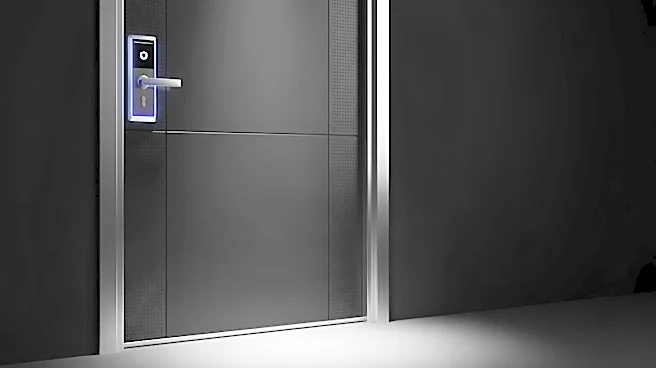
The Defense Department has declared its press office a classified space, restricting journalist access. Acting Pentagon press secretary Joel Valdez confirmed the move, citing the presence of speechwriters handling classified material as the reason. This
decision is part of a series of restrictions on media access at the Pentagon, including a requirement for journalists to be escorted while on Pentagon grounds. The New York Times has filed lawsuits against these policies, arguing they violate the First Amendment and hinder independent reporting on military affairs.
Why It's Important?
The classification of the Pentagon press office as a restricted area for journalists has significant implications for press freedom and government transparency. By limiting access, the Defense Department may be curtailing the ability of journalists to report on military operations and policies, which could affect public understanding and oversight. The legal challenges by the New York Times underscore the importance of maintaining open channels for media scrutiny, which is vital for democratic accountability. The situation highlights ongoing tensions between the media and the government, particularly under the Trump administration.
What's Next?
The legal proceedings initiated by the New York Times are likely to continue, with potential implications for media access and government transparency. The appeals process may lead to further judicial review of the Pentagon's policies, potentially influencing future interactions between the media and government institutions. Stakeholders, including media organizations and civil rights advocates, may increase pressure on the government to reconsider its stance on press restrictions. The outcome of these legal challenges could set important precedents for the protection of press freedoms.