







What's Happening?
NASA's Office of Inspector General (OIG) has reported significant cost overruns in four exploration projects that were recently canceled as part of changes to the Artemis lunar exploration campaign. These projects, linked to the Space Launch System's
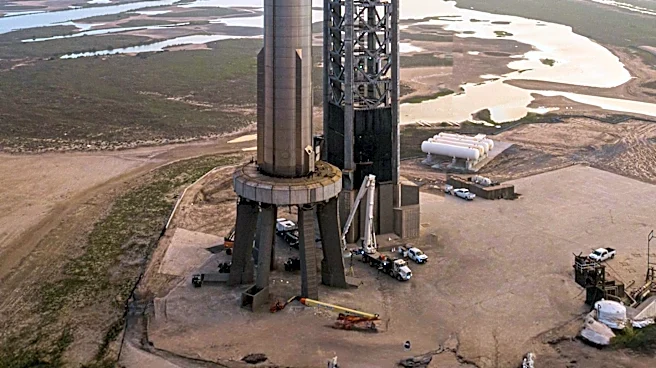
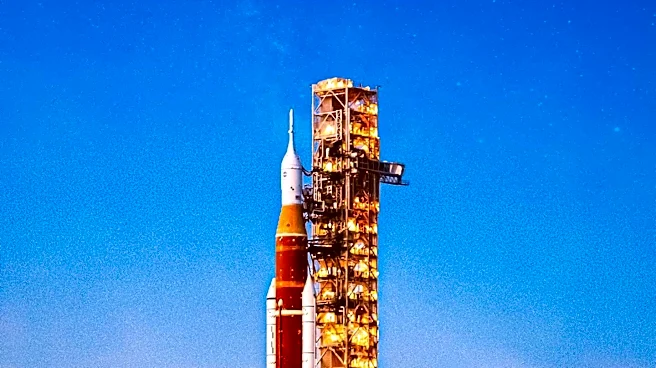
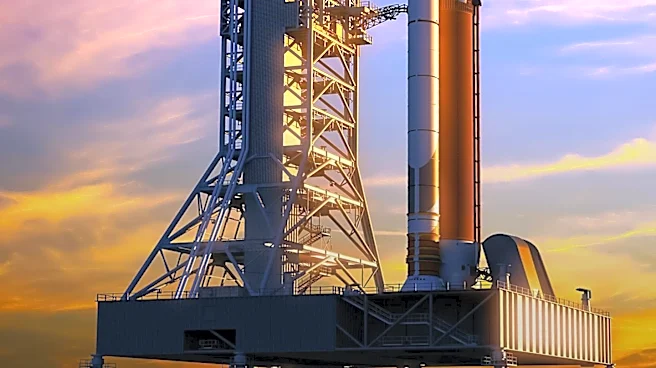
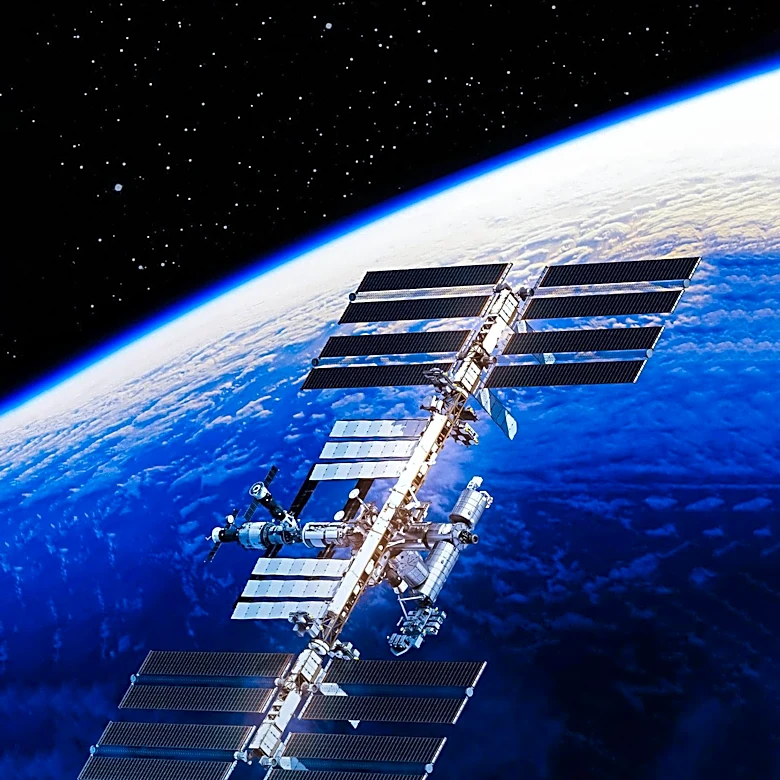
Block 1B variant and the lunar Gateway, saw their costs more than double, with projections indicating further increases. The Exploration Upper Stage, Universal Stage Adapter, Mobile Launcher 2, and the Habitation and Logistics Outpost module for the Gateway were affected. The combined contract values for these projects rose from $2.8 billion to $5.9 billion, with delivery dates extended by up to seven years. NASA's decision to halt these projects is part of a broader strategy to reallocate resources towards more efficient and timely missions.
Why It's Important?
The cost overruns and subsequent project cancellations highlight the financial and logistical challenges faced by NASA in its ambitious Artemis program. These developments could impact the timeline and scope of future lunar missions, potentially delaying the U.S.'s return to the Moon. The reallocation of funds from these canceled projects is intended to streamline NASA's efforts and focus on more achievable goals. However, the financial mismanagement raises concerns about the agency's ability to manage large-scale projects effectively. This situation underscores the need for improved project management and cost control measures within NASA to ensure the success of future space exploration initiatives.
What's Next?
NASA plans to enhance internal controls and apply lessons learned from these overruns to future projects. The agency aims to lock requirements earlier in the development cycle and leverage commercial offerings to drive down costs. The focus will be on firm-fixed-price structures where practicable, as part of a broader effort to ensure discipline, affordability, simplification, and speed in its operations. The reallocation of over $3 billion from these canceled projects is expected to support new missions of science and discovery, aligning with NASA's revised Artemis plans.