





What's Happening?
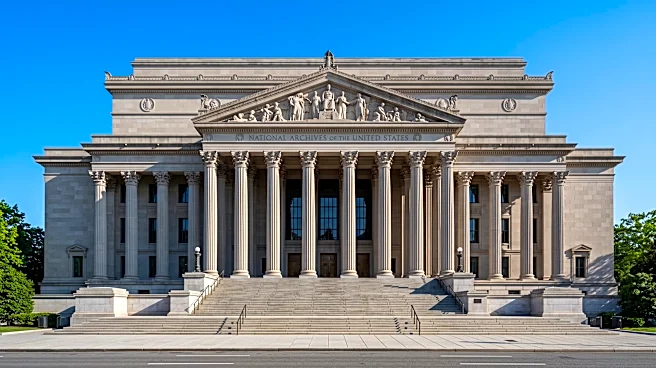
The National Archives and Records Administration (NARA) has issued a dismissive response to federal lawmakers, including Senator Catherine Cortez Masto (D-NV), regarding concerns over its decision to close facilities in San Bruno, California, and Chicago.
A bipartisan coalition of 37 federal lawmakers, led by U.S. Representatives Kevin Mullin (CA-15) and Judy Chu (CA-28), had written to NARA in August, urging reconsideration of the San Bruno closure and requesting more information. NARA's response failed to adequately address concerns about the public losing physical access to local archival records, particularly the regionally sensitive immigration files, and did not explain how fragile 100-year-old records would be cared for during cross-country transfers. The San Bruno archives house records vital to California, Nevada, Hawaii, Pacific Island territories, and Tribes, including Angel Island immigration files and Chinese Exclusion Act records. NARA plans to move these immigration files to Kansas City, expecting community members to travel over 1,500 miles to access them.
Why It's Important?
NARA's decision and subsequent dismissive response have significant implications for historical preservation, public access to government records, and community heritage, particularly for diverse populations. The closure of regional archives, especially those holding culturally and historically significant documents like Angel Island immigration files and Native American history records, directly impacts researchers, genealogists, and families seeking to connect with their past. Moving these records thousands of miles away creates substantial barriers to access, effectively disenfranchising communities that rely on these local archives. This action also raises questions about NARA's commitment to its mission of preserving and providing access to the nation's historical records. The lawmakers' concerns highlight a potential disregard for the unique value these regional facilities provide to their local communities and the broader historical narrative of the U.S., especially concerning immigration and indigenous histories.
What's Next?
Lawmakers, including Senator Cortez Masto, are expected to continue their fight against the closures. Representative Mullin has already introduced the National Archives Protection Act, which would require Congressional approval for NARA to close any of its facilities. A Senate companion version of this bill has also been introduced. Community advocates, researchers, and Tribal leaders are encouraged to participate in virtual listening sessions hosted by NARA, though lawmakers are pushing for more public input sessions. The ongoing legislative efforts and community pressure aim to compel NARA to reconsider its plans, provide transparent justifications, and ensure that historical records remain accessible to the communities they represent. Legal challenges are also being considered as a means to protect these historic resources.
Beyond the Headlines
The controversy surrounding the National Archives' closures extends beyond mere logistical concerns, touching upon fundamental issues of historical memory, cultural identity, and the role of government in preserving and making accessible the nation's past. The records housed in facilities like San Bruno are not just documents; they are tangible links to the experiences of generations, particularly for marginalized communities whose histories might otherwise be overlooked. By making these records inaccessible, NARA risks severing these connections and undermining efforts to understand and learn from the past. This situation also highlights a broader tension between administrative efficiency and the public good, where cost-saving measures can inadvertently diminish cultural heritage and civic engagement. The debate underscores the ethical responsibility of national institutions to serve all citizens, ensuring that historical knowledge remains a shared and accessible resource for shaping future understanding and identity.