








What's Happening?
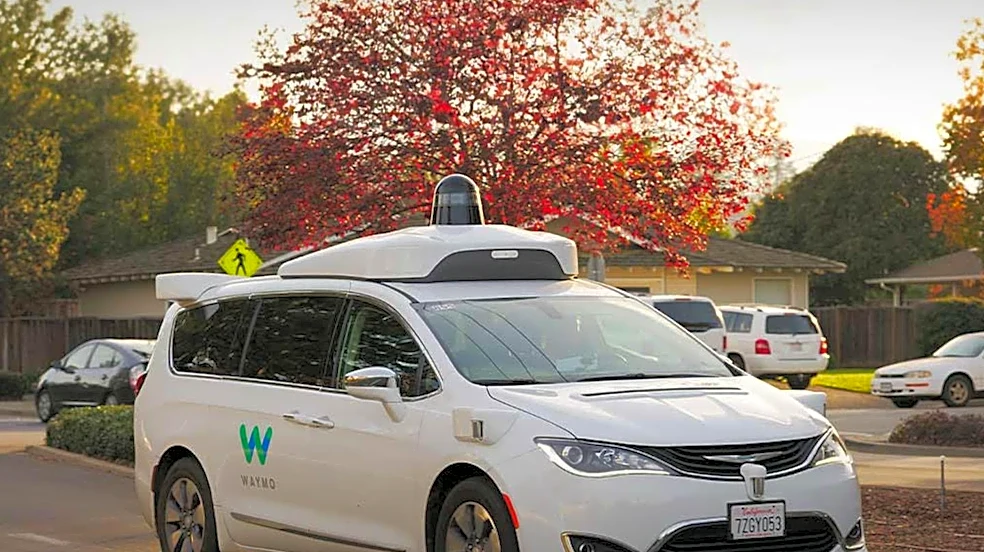
Local officials in San Diego are advocating for increased control over autonomous vehicles, specifically Waymo's robotaxi services, which have begun public operations in the city. City councilmembers are requesting authority from the state to regulate
various aspects of robotaxi deployment, including limiting the number of vehicles, controlling where they can charge and park, and restricting how often they can operate without passengers. This push for local oversight stems from concerns about the impact of these technologies on local jobs, the city's transportation network, and the overall economy. Officials emphasize that the technology should benefit San Diegans, not solely the deploying corporations.
Why It's Important?
This development highlights a growing tension between technological innovation and local governance in the U.S. The deployment of autonomous vehicles, while promising advancements in transportation, raises significant questions about regulatory authority, public safety, and economic impact at the local level. San Diego's efforts to gain more control reflect a broader concern among municipalities that state or federal regulations may not adequately address unique local conditions or protect local interests, such as the livelihoods of traditional taxi and rideshare drivers. The outcome of this debate could set a precedent for how other cities manage the integration of emerging technologies, influencing the balance of power between local jurisdictions and state regulatory bodies.
What's Next?
San Diego city councilmembers will continue to engage with state authorities to secure the desired regulatory powers over autonomous vehicles. This process will likely involve legislative discussions and potentially new policy frameworks at the state level to address the concerns of local governments. The Transport Workers Union (TWU) and other labor organizations are also actively involved in advocating for safety and job protection in the face of autonomous technology, which could influence the regulatory landscape. The ongoing dialogue will determine the extent to which cities can impose their own rules on robotaxi operations, potentially leading to a patchwork of regulations across different municipalities or a more standardized state-level approach that incorporates local input.
Beyond the Headlines
The push for local control over autonomous vehicles in San Diego underscores a fundamental challenge in the digital age: how to regulate rapidly evolving technologies that transcend traditional jurisdictional boundaries. Beyond immediate concerns about jobs and traffic, there are deeper implications regarding urban planning, public infrastructure, and the very nature of public transportation. If cities are unable to exert meaningful control, they risk having their urban environments shaped by corporate interests rather than community needs. This situation also brings to light ethical considerations about algorithmic decision-making in public spaces and the accountability of autonomous systems, prompting a reevaluation of who ultimately holds authority over the future of urban mobility.