
What's Happening?
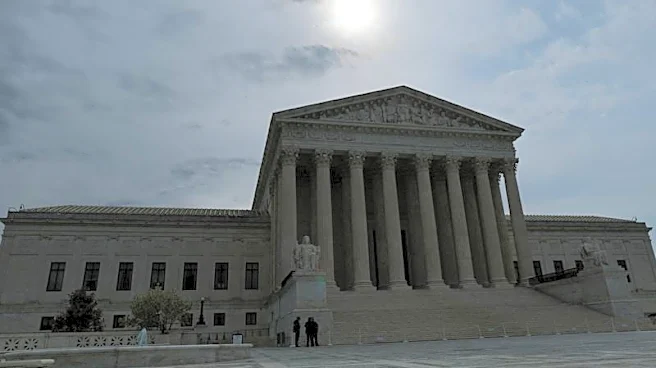
The U.S. Supreme Court is set to hear a pivotal case concerning the ability of consumers to sue Bayer, the manufacturer of Roundup, over health risks allegedly linked to glyphosate, a widely used pesticide.
The case, which will be argued on Monday, centers on whether individuals can continue to file lawsuits against Bayer for illnesses purportedly caused by the product. This legal battle has been fueled by the Make America Healthy Again (MAHA) movement, which advocates for stricter pesticide regulations. The case follows a landmark 2018 decision where a San Francisco groundskeeper was awarded a significant settlement after claiming Roundup caused his cancer. Bayer, which acquired Monsanto, the original maker of Roundup, has faced numerous lawsuits but maintains that glyphosate is safe, citing the Environmental Protection Agency's findings.
Why It's Important?
The outcome of this Supreme Court case could have far-reaching implications for consumer rights and corporate accountability in the U.S. If the court rules in favor of Bayer, it may limit the ability of individuals to seek damages for health issues linked to federally approved products, potentially setting a precedent for other industries. Conversely, a decision against Bayer could open the door for more lawsuits, impacting the agricultural sector and possibly leading to stricter regulations on pesticide use. This case also highlights the growing influence of health advocacy groups like MAHA, which could sway public policy and electoral outcomes, especially with the midterm elections approaching.
What's Next?
The Supreme Court's decision, expected in June, will be closely watched by various stakeholders, including environmental groups, the agricultural industry, and consumer rights advocates. Depending on the ruling, there could be increased pressure on the Environmental Protection Agency to revisit its stance on glyphosate. Additionally, the case may influence legislative efforts to either bolster or restrict consumer protections against chemical manufacturers. The MAHA movement is likely to continue its advocacy, potentially affecting voter sentiment and political strategies in upcoming elections.