







What's Happening?
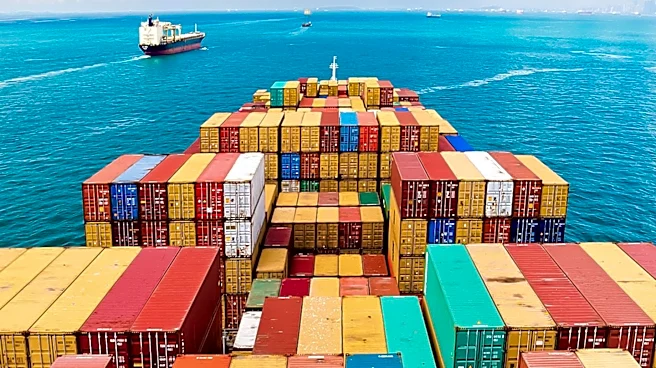
The ongoing conflict between the United States and Iran has intensified tensions in the Strait of Hormuz, a critical chokepoint for global energy supplies. The strait, which facilitates around 20% of the world's crude oil and liquefied natural gas shipments,
has seen disruptions that have driven up global oil prices. Efforts to establish a long-term management mechanism for the strait, involving countries like Oman, have so far been unsuccessful. The crisis has also raised concerns about the potential involvement of the Bab el-Mandeb Strait, another strategic waterway.
Why It's Important?
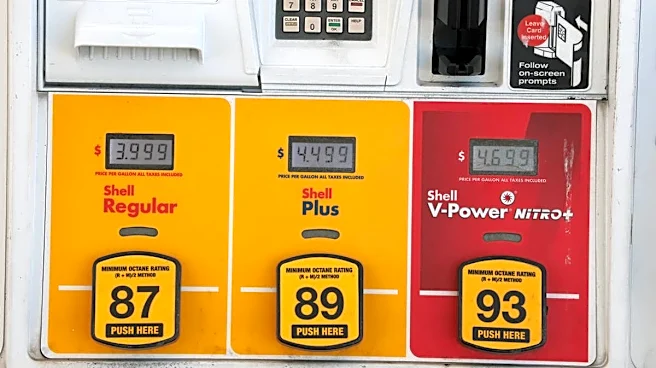
The disruption in the Strait of Hormuz has significant implications for global energy markets, as it affects the supply and pricing of oil and gas. Rising oil prices could have a cascading effect on global economies, increasing costs for consumers and businesses. The crisis highlights the vulnerability of global energy infrastructure to geopolitical conflicts and underscores the need for diversified energy supply routes. Countries are now prioritizing trust and stability over cost in their energy contracts, leading to shifts in long-term energy strategies.
What's Next?
In response to the crisis, Gulf countries are investing in infrastructure to bypass the Strait of Hormuz, such as upgrading pipelines to alternative ports. Energy-importing nations are seeking more reliable supply sources, leading to increased investments in regions like the US, Latin America, and West Africa. The situation may also prompt international efforts to develop more resilient energy supply chains and reduce dependency on volatile regions. Continued geopolitical tensions could further impact global energy dynamics and necessitate strategic adjustments by affected countries.