







What's Happening?
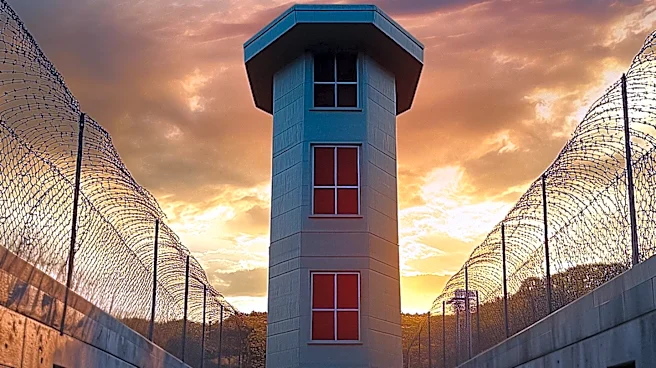
Renville County Jail, located in rural Minnesota, operates as a primary pre-trial and short-term correctional facility, managing public safety, constitutional obligations, and limited resources. The jail, run by the county sheriff's department, handles
daily administration, security, healthcare coordination, and inmate programming within budget constraints. Its population is largely transient, consisting of individuals awaiting trial or serving short sentences, often for offenses like DWI, probation violations, or low-level theft. A significant portion of inmates also present with untreated mental health issues and substance abuse disorders, reflecting limited access to community-based treatment in rural areas. The facility provides basic medical services, often through local providers or telemedicine, and aims to offer programming to reduce recidivism, though these are often scaled back due to budget limitations. The jail's operations are governed by state laws, county ordinances, and federal constitutional mandates, with the Eighth Amendment's prohibition against cruel and unusual punishment being a central legal concern.
Why It's Important?
The situation at Renville County Jail underscores the unique challenges faced by rural correctional facilities across the U.S. These institutions often struggle with staffing shortages, as recruiting and retaining qualified correctional officers in remote areas is difficult due to lower wages and limited professional opportunities. The isolation of rural jails can also complicate medical transport, visiting programs, and access to specialized services, impacting inmate welfare and rehabilitation efforts. Budget constraints common in rural counties further limit the scope of programming, medical care, and facility improvements. The high prevalence of mental illness and substance dependency among rural incarcerated populations demands specialized approaches that are often hard to implement with limited resources. This highlights a broader systemic issue where rural areas may lack the infrastructure and funding to adequately address the complex needs of their incarcerated populations, potentially leading to poorer outcomes for individuals and communities.
What's Next?
The ongoing operation of Renville County Jail will likely continue to navigate the balance between public safety and constitutional obligations within its resource limitations. Future developments may involve continued efforts to secure funding for improved medical and mental health services, potentially through state or federal grants, or through increased local tax allocations. The jail may also explore further partnerships with local social services and community organizations to enhance rehabilitation programs and address the root causes of incarceration, such as substance abuse and mental health issues. Increased scrutiny from residents and local government officials regarding transparency in policies, use-of-force incidents, and budget allocations is also probable, potentially leading to internal affairs investigations or policy changes. The broader national dialogue on criminal justice reform, particularly in rural contexts, may also influence future operational strategies and resource allocation for facilities like Renville County Jail.
Beyond the Headlines
The challenges at Renville County Jail extend beyond operational logistics, touching upon profound ethical and societal implications. The treatment of pre-trial detainees, who are presumed innocent, raises critical ethical questions about the purpose of detention—whether it is solely punitive or should prioritize rehabilitation and reintegration. The disproportionate representation of individuals with mental health issues and substance abuse disorders in rural jails highlights a systemic failure in community-based healthcare and support systems. Jails often become de facto treatment centers, a role they are ill-equipped to fulfill, leading to inadequate care and perpetuating cycles of incarceration. This situation also exposes disparities in justice and care between urban and rural areas, where limited resources in rural settings can lead to less access to legal counsel, medical care, and rehabilitative programs. Addressing these issues requires a holistic approach that includes criminal justice reform, increased investment in rural healthcare and social services, and a re-evaluation of the role of detention facilities in society.