


What's Happening?
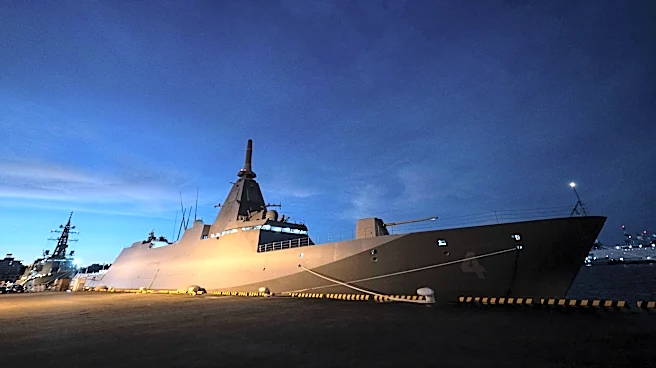
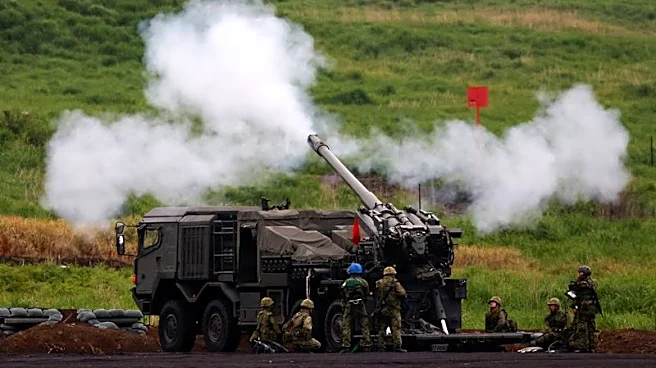
Japan is undergoing significant changes in its defense posture, marked by increased military spending and the acquisition of long-range strike capabilities. The country has relaxed restrictions on the export of lethal weaponry and established a new Joint
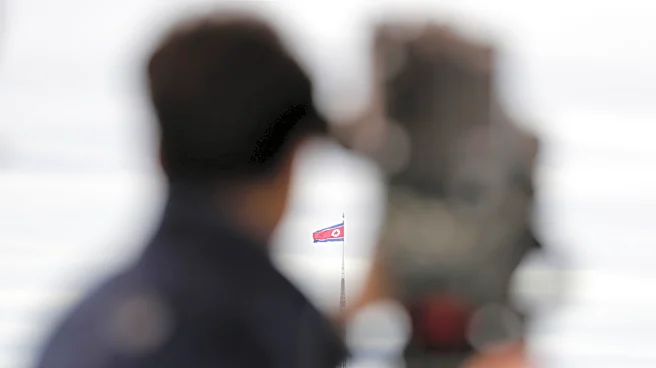
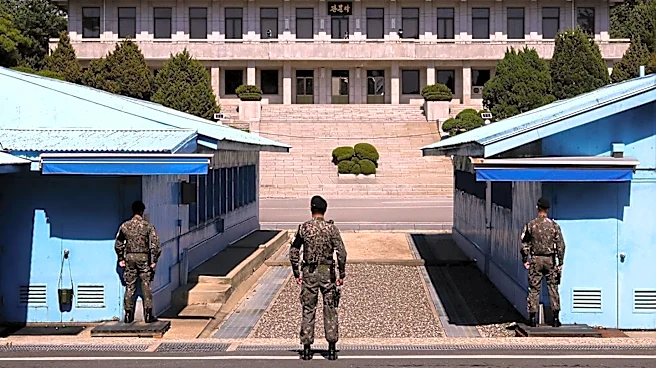
Operations Command, alongside launching a centralized intelligence bureau. These developments are part of Japan's response to a complex security environment, influenced by China's growing military power and aggressive foreign policy, as well as North Korea's nuclear provocations. The Japanese government has pledged to meet its defense spending target of 2% of GDP ahead of schedule, reflecting a strategic shift to bolster its defense capabilities.
Why It's Important?
Japan's evolving defense strategy is crucial in the context of regional security dynamics in the Indo-Pacific. The country's increased military capabilities and strategic partnerships, particularly with the United States, aim to counterbalance China's assertive actions in the region. This shift also addresses concerns over North Korea's nuclear ambitions and Russia's military activities. For the U.S., Japan's strengthened defense posture enhances the bilateral alliance and contributes to regional stability. However, it also raises questions about Japan's long-standing pacifist stance and the potential for increased military tensions in the region.
What's Next?
Japan is expected to continue its defense transformation, with plans to further increase military spending and capabilities. The country is likely to engage in more strategic dialogues with the U.S. and other allies to ensure regional security. Additionally, Japan's defense policy may face scrutiny from neighboring countries, particularly China and Russia, who have expressed concerns over Japan's military expansion. The international community will be watching closely to see how Japan balances its defense ambitions with diplomatic relations in the region.