






What's Happening?
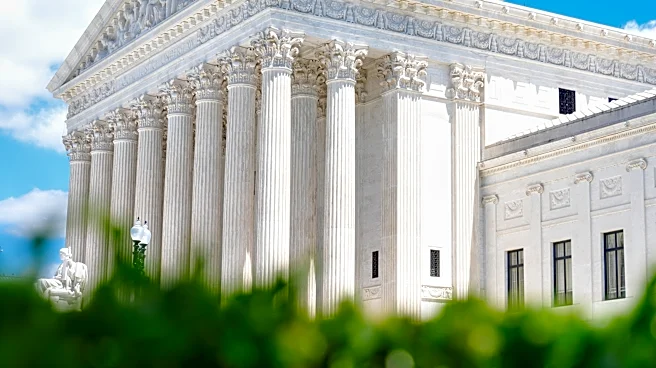
The US Supreme Court has declined to hear lawsuits from pharmaceutical companies challenging the Medicare drug pricing negotiation powers established by the Inflation Reduction Act (IRA) of 2022. The decision effectively upholds the ability of the Centers
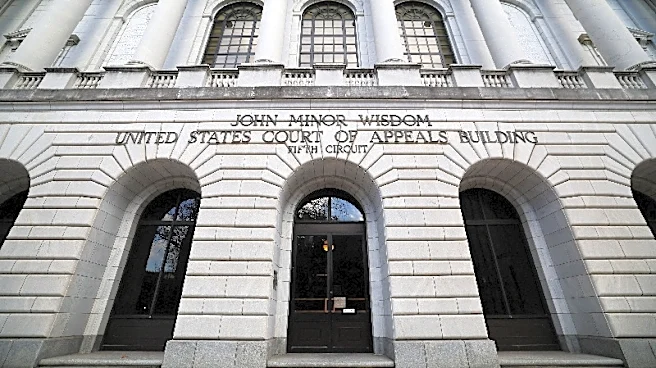
for Medicare & Medicaid Services (CMS) to negotiate prices for certain high-expenditure drugs. The pharma groups, including AstraZeneca and Johnson & Johnson, argued that the negotiations were unconstitutional, claiming they were coerced into selling drugs at below-market prices. The court's decision supports previous rulings that the companies do not have a constitutionally protected interest in selling to Medicare at specific prices.
Why It's Important?
The Supreme Court's decision is a significant victory for the Biden administration's efforts to control drug prices and reduce healthcare costs. By allowing Medicare to negotiate drug prices, the government aims to make medications more affordable for millions of Americans, particularly seniors. The ruling could lead to broader changes in the pharmaceutical industry, as companies may need to adjust their pricing strategies and business models. The decision also underscores the ongoing debate over healthcare reform in the US, with implications for future policy decisions and the balance of power between the government and private industry.