



What's Happening?
The energy sector is increasingly focusing on 'smart repowering' as a strategic approach to enhance the output and lifespan of existing hydropower facilities. This method integrates advanced engineering with a more efficient modernization strategy, aiming
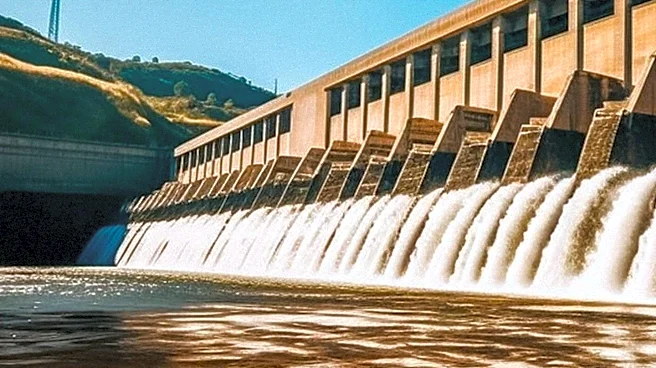
to optimize current installations rather than undertaking complete replacements. Smart repowering prioritizes the upgrade of specific components that require attention, thereby reducing the overall investment, minimizing downtime, and lessening environmental impact. This approach involves a detailed assessment of generators to determine which parts can be retained, refurbished, or replaced, leading to a more sustainable use of resources. Many hydropower plants in the U.S. and globally still operate with decades-old generators, and smart repowering offers a way to bring these facilities up to modern efficiency standards without extensive structural changes or new construction. The goal is to increase power generation from existing infrastructure, which is crucial as demand for renewable electricity rises.
Why It's Important?
Smart repowering holds significant importance for the U.S. energy landscape, particularly in its transition to green energy. By maximizing the potential of existing hydropower assets, the nation can increase its renewable energy capacity without the need for costly and time-consuming new infrastructure projects. This approach can lead to substantial economic benefits by reducing capital expenditure for operators and shortening the duration of modernization work, thus minimizing disruptions to electricity generation. Environmentally, smart repowering significantly lowers the carbon footprint associated with upgrades by reducing the need for new materials, simplifying manufacturing processes, and cutting emissions from transport. This strategy also extends the operational life of generators, some of which have been in service for over fifty years, while simultaneously improving their efficiency through the incorporation of modern insulation technology and other advancements. This contributes to a more resilient and sustainable energy grid, supporting national energy security goals.
What's Next?
The adoption of smart repowering techniques is expected to grow as hydropower operators seek more efficient and sustainable ways to meet increasing energy demands. Future developments will likely involve further advancements in diagnostic technologies and engineering methods to more precisely identify components for upgrade or refurbishment. This could lead to even more targeted investments and greater efficiencies in the modernization process. As the benefits of reduced environmental impact and enhanced performance become more widely recognized, there may be increased policy support or incentives for hydropower facilities to adopt smart repowering strategies. Collaboration between engineering firms, technology providers, and hydropower plant operators will be crucial in developing and implementing these advanced solutions, potentially leading to a standardized framework for assessing and executing smart repowering projects across the industry. The focus will remain on optimizing existing assets to contribute more effectively to the renewable energy mix.
Beyond the Headlines
Beyond the immediate benefits of efficiency and cost savings, smart repowering signifies a broader shift in how the U.S. approaches infrastructure development and sustainability. It embodies a philosophy of maximizing existing resources and minimizing waste, moving away from a 'replace-all' mentality towards a more circular economy model within the energy sector. This approach could set a precedent for other industries with aging infrastructure, encouraging innovative solutions that prioritize refurbishment and optimization over complete overhauls. Ethically, it aligns with principles of environmental stewardship by significantly reducing the material and energy consumption associated with large-scale construction. Legally, it might influence regulatory frameworks to favor upgrades that demonstrate lower environmental impact and higher resource efficiency. Culturally, it promotes a mindset of continuous improvement and adaptation, recognizing the value in extending the life and enhancing the performance of established assets rather than always seeking new builds. This long-term shift could foster greater resilience and sustainability across various sectors.