

What's Happening?
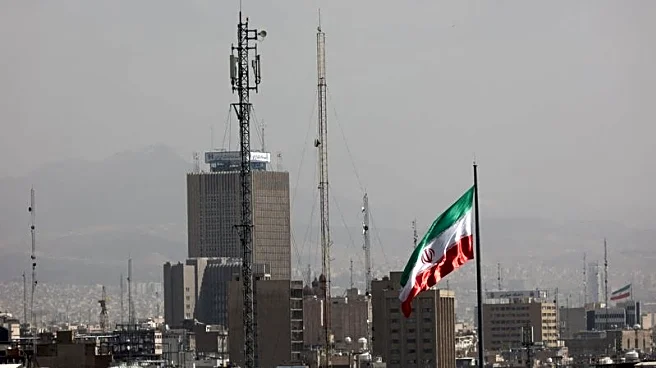
The United States and Israel conducted a significant military operation against Iran, resulting in the death of Iran's Supreme Leader Ayatollah Ali Khamenei. This action has escalated tensions in the Middle East, prompting Iran to retaliate with missile
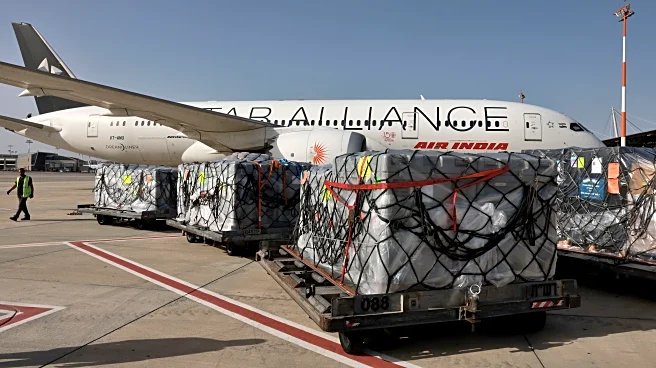
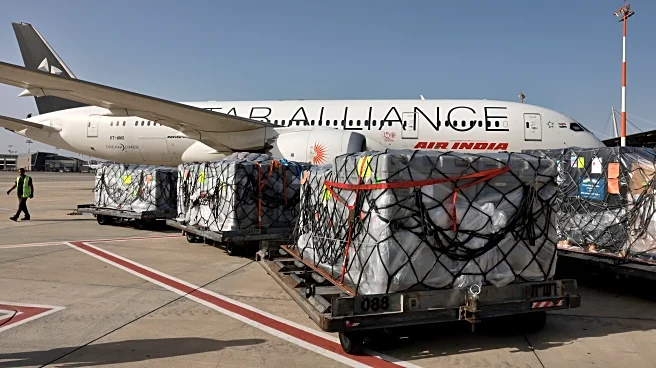
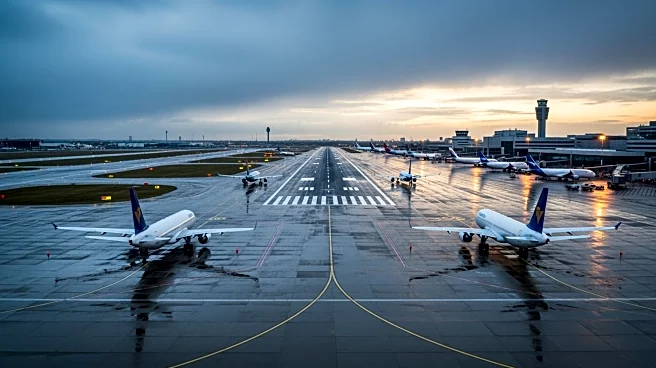
strikes targeting countries hosting U.S. military bases, including Israel. The conflict has led to widespread disruptions in air travel, with over 1,800 flights canceled across the region. Major airlines such as Qatar Airways and Emirates have suspended operations, affecting travel to and from key hubs like Dubai and Doha. The situation has also caused significant concern in global markets, with investors bracing for potential impacts on oil prices and safe-haven assets like gold.
Why It's Important?
The military escalation between the U.S., Israel, and Iran has far-reaching implications for global security and economic stability. The death of Iran's Supreme Leader marks a pivotal moment that could reshape the geopolitical landscape in the Middle East. The immediate impact is seen in the aviation sector, with significant disruptions affecting international travel and logistics. Economically, the conflict threatens to drive up oil prices, given Iran's strategic position in global oil supply chains. This could lead to increased inflationary pressures worldwide, particularly affecting oil-importing nations. The situation also poses a risk to financial markets, with potential volatility in equities and increased demand for safe-haven assets.
What's Next?
As tensions remain high, further military actions and retaliations are possible, which could exacerbate the situation. The U.S. and its allies may face diplomatic challenges in managing the fallout and preventing further escalation. Markets will closely watch for any signs of de-escalation or further conflict, which will influence oil prices and investor sentiment. The international community may call for diplomatic interventions to stabilize the region and prevent a broader conflict. Additionally, the impact on global supply chains and energy markets will be a critical area of focus for policymakers and businesses.
Beyond the Headlines
The conflict highlights the fragile nature of Middle Eastern geopolitics and the potential for rapid escalation to affect global systems. It raises questions about the effectiveness of military interventions in achieving long-term peace and stability. The situation also underscores the importance of diplomatic channels and international cooperation in addressing complex geopolitical challenges. The potential for regime change in Iran could lead to significant shifts in regional alliances and power dynamics, with long-term implications for U.S. foreign policy and global security.