



What's Happening?
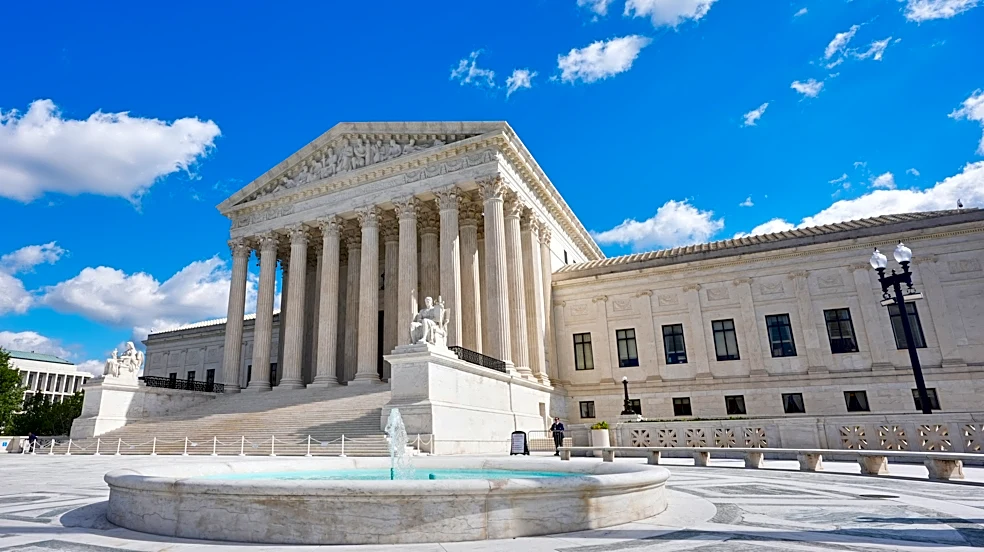
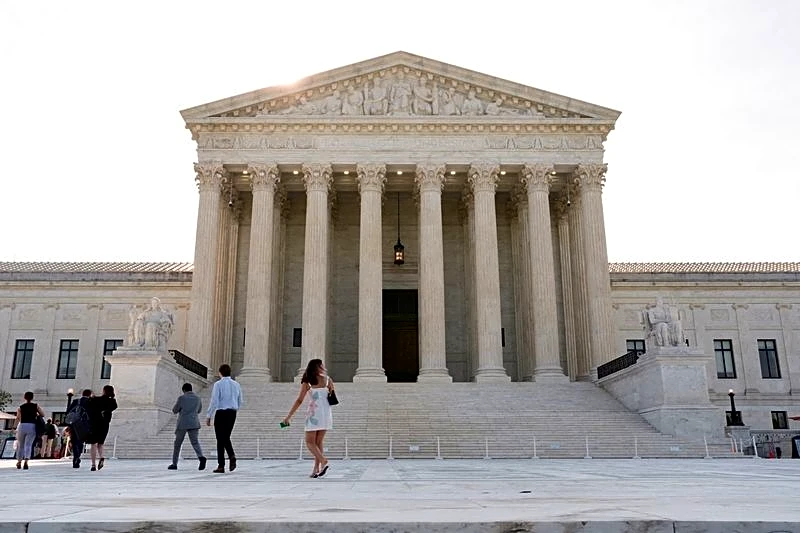
Supreme Court Justice Ketanji Brown Jackson, along with Justices Sonia Sotomayor, Neil Gorsuch, and Amy Coney Barrett, recused themselves from a copyright dispute involving major music companies and a songwriter. The recusal was due to a conflict of interest,
as the case involved a company owned by Penguin Random House's parent company, with whom Justice Jackson has book publishing agreements. This recusal led to a lack of quorum, resulting in the Supreme Court leaving in place a lower court's ruling in the copyright case. The situation highlights the complexities that arise when justices have external financial interests, particularly in the publishing industry, which can necessitate their withdrawal from certain cases to maintain impartiality.
Why It's Important?
The recusal of four Supreme Court justices, including Justice Ketanji Brown Jackson, from a significant copyright case underscores the ongoing debate about judicial ethics and potential conflicts of interest. When a substantial portion of the court is unable to participate, it can impact the court's ability to hear and decide cases, potentially leaving lower court rulings unchallenged or creating delays. This specific instance draws attention to the financial arrangements of Supreme Court justices, particularly book deals, and how these can intersect with their judicial duties. It raises questions about transparency and the mechanisms in place to ensure that justices' personal financial activities do not compromise the integrity of the judicial process. The situation also fuels discussions on potential reforms, such as establishing clearer guidelines for recusals or alternative methods for handling cases where a quorum is not met.
What's Next?
The immediate consequence is that the lower court's ruling in the copyright dispute stands due to the lack of a Supreme Court quorum. This outcome could influence future legal strategies in similar copyright cases, as parties might consider the increased likelihood of a Supreme Court recusal affecting their ability to appeal. In the broader context, this event may intensify calls for greater scrutiny of Supreme Court justices' financial disclosures and external income sources. Discussions about potential mechanisms to address recusals, such as temporary appointments of circuit judges or the return of retired justices for specific cases, could gain traction. The incident also serves as a reminder for justices to carefully manage their financial interests to avoid conflicts that could impede their ability to participate in court proceedings.
Beyond the Headlines
This incident touches upon the delicate balance between a Supreme Court Justice's personal and professional life and the public's expectation of an impartial judiciary. While book deals are a common source of income for public figures, their potential to create conflicts of interest for Supreme Court justices raises ethical considerations. The recusal of multiple justices from a single case, particularly one involving a major publisher, highlights the systemic challenge of maintaining judicial independence in an era where justices are increasingly visible public figures. It also implicitly questions the adequacy of current disclosure requirements and recusal standards, prompting a broader conversation about how to safeguard the judiciary's integrity against perceived or actual conflicts of interest, especially as the public increasingly scrutinizes the court's decisions and the personal conduct of its members.