



What's Happening?
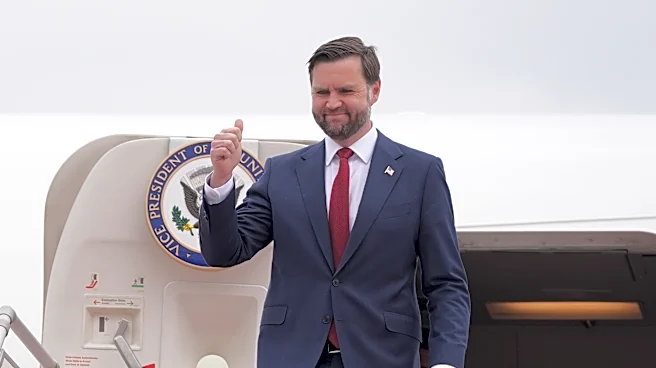
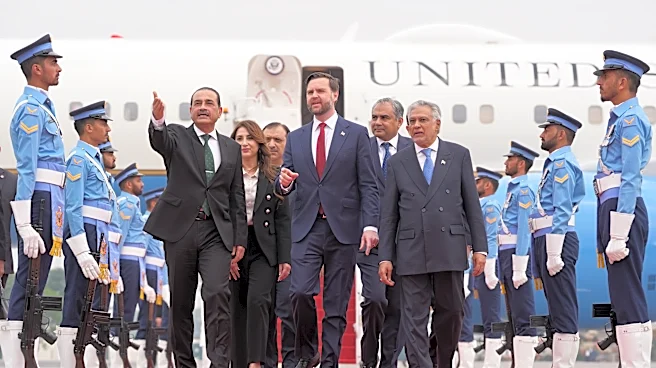
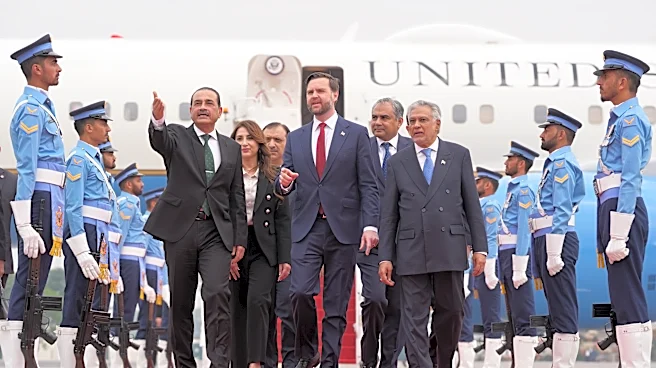
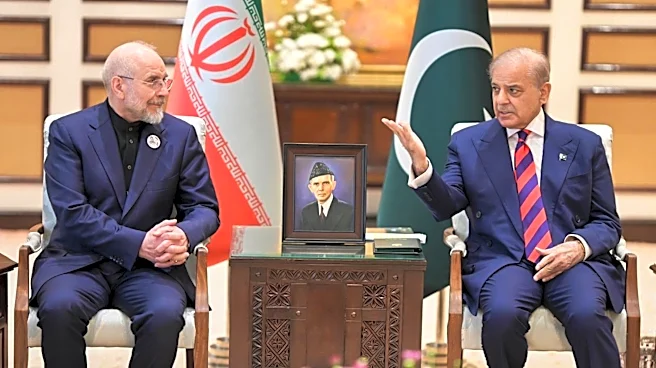
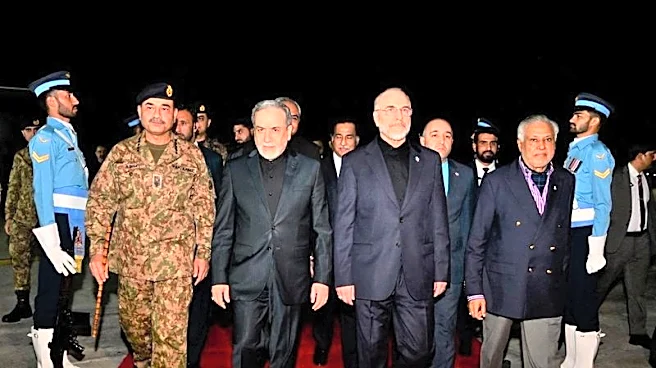
The United States and Iran have commenced direct negotiations in Islamabad, Pakistan, following a fragile ceasefire agreement. The talks, led by U.S. Vice President JD Vance and Iranian Parliament Speaker Mohammad Bagher Qalibaf, aim to address ongoing
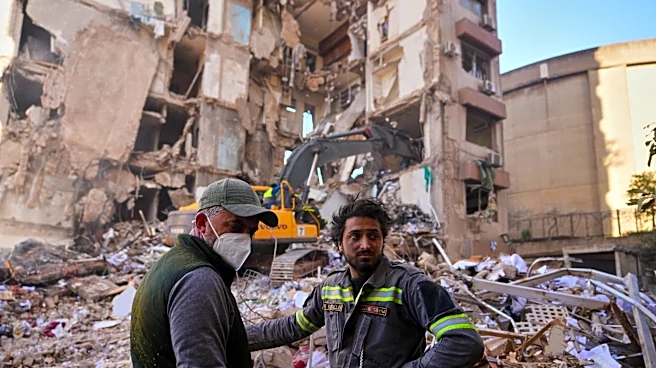
conflicts and tensions in the Middle East. The ceasefire, which has been in place for two weeks, was threatened by continued Israeli strikes against Hezbollah in Lebanon. The negotiations are a significant step in attempting to resolve the war that has impacted global markets and resulted in thousands of casualties. The discussions are facilitated by Pakistan, with Prime Minister Shehbaz Sharif playing a mediating role. The talks follow indirect discussions and are seen as a test of the ceasefire's durability.
Why It's Important?
The direct negotiations between the U.S. and Iran are crucial for regional stability and could potentially lead to a resolution of the ongoing conflict. The war has disrupted global oil supplies, particularly through the Strait of Hormuz, affecting energy prices worldwide. A successful negotiation could ease tensions and restore normalcy in oil shipping routes, benefiting global economies. Additionally, the talks could lead to a reduction in military activities in the region, decreasing the risk of further escalation. The involvement of Pakistan as a mediator highlights the international community's interest in achieving peace and stability in the Middle East.
What's Next?
The next steps in the negotiations will likely focus on addressing key issues such as Iran's nuclear program, the status of enriched uranium, and the lifting of sanctions. The U.S. delegation, including special envoy Steve Witkoff and Jared Kushner, will continue discussions with Iranian officials to find common ground. The outcome of these talks could influence future U.S. foreign policy in the region and impact relations with other Middle Eastern countries. The international community will be closely monitoring the progress, as any agreement could have significant implications for global security and economic stability.
Beyond the Headlines
The negotiations also have deeper implications for U.S.-Iran relations, which have been strained for decades. A successful dialogue could pave the way for improved diplomatic ties and cooperation on broader issues such as counter-terrorism and regional development. The talks may also influence domestic politics in both countries, as leaders navigate public opinion and political pressures. The role of third-party mediators, including Pakistan, underscores the importance of multilateral diplomacy in resolving complex international conflicts.