



What's Happening?
A growing number of U.S. service members are seeking discharge from the military as conscientious objectors, citing moral and ethical concerns over recent U.S. military actions. According to MS NOW, organizations assisting service members with these applications
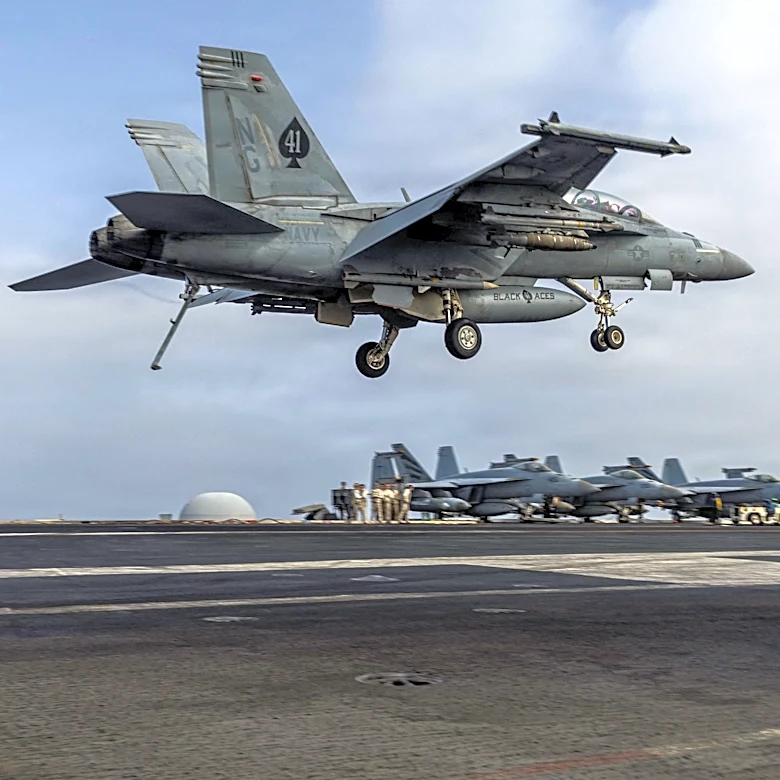
have observed a significant increase in requests related to U.S. strikes against alleged drug boats and targets within Iran. Five service members interviewed by MS NOW expressed that their moral beliefs have been challenged by orders they perceive as violating international law, concerns over civilian casualties, and extended deployments without clear missions. One service member involved in Operation Epic Fury against Iran believes the U.S. military targeted civilian infrastructure, which they view as a violation of international humanitarian law. Another service member raised concerns about Operation Southern Spear, a campaign launched by President Trump in September 2025 to target drug organizations, which has involved strikes on numerous boats and resulted in over 210 deaths. These service members reported feeling disenfranchised and frustrated with shifting justifications for military actions.
Why It's Important?
The surge in conscientious objector applications highlights a potential internal crisis within the U.S. military regarding the ethical implications of its operations. This trend could signal a growing disconnect between military leadership's objectives and the moral compass of its personnel, potentially impacting recruitment, retention, and overall morale. If service members increasingly question the legality or morality of their orders, it could lead to broader discussions about military ethics, rules of engagement, and accountability. The concerns raised about potential violations of international law, particularly regarding civilian infrastructure in Iran and the targeting of alleged drug traffickers, could also draw international scrutiny and challenge the U.S.'s standing on human rights and international humanitarian law. Furthermore, the reported distrust among service members regarding the true nature and impact of their missions could erode public confidence in military operations and foreign policy decisions.
What's Next?
The Department of Defense will face increased pressure to address the concerns raised by service members seeking conscientious objector status. Each application requires a rigorous process, including written forms, supporting letters, and multiple interviews with chaplains, mental health evaluators, and their chain of command, with final approval from the secretary of their service branch. The outcome of these applications could set precedents for future cases and influence military policy regarding moral objections. Additionally, the allegations of violating international law in Iran and during drug interdiction operations may prompt investigations or calls for greater transparency from Congress and international bodies. The military may need to re-evaluate its training on international humanitarian law and its communication strategies with service members regarding the justification and impact of its missions to rebuild trust and address ethical dilemmas.
Beyond the Headlines
This development points to deeper ethical and legal complexities within modern warfare and counter-narcotics operations. The concept of 'dual-use' targets, where infrastructure serves both civilian and military purposes, presents a significant challenge in adhering to international humanitarian law and minimizing civilian harm. The service members' experiences underscore the psychological toll of participating in operations where the targets and outcomes are unclear, leading to moral injury. The situation also raises questions about the balance between national security objectives, such as combating drug trafficking, and the ethical responsibilities of military action. The increasing number of conscientious objectors could reflect a broader societal shift in moral values among younger generations entering the military, potentially leading to a re-evaluation of military recruitment messaging and the ethical frameworks governing military service.