




What's Happening?
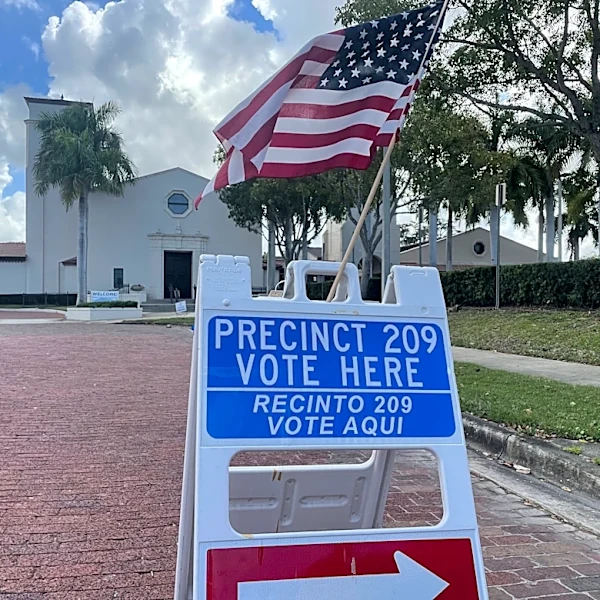
The Republican-led North Carolina House has approved a bill that would make it easier for residents to challenge votes and for county boards to invalidate ballots, raising concerns about potential postelection chaos. The bill allows challenges to early
voters' ballots up to three business days after an election, with county election boards able to invalidate votes by a simple majority. Currently, challenges must be filed the day they are cast, and precinct officials decide the matter on the same day. The bill also gives the state auditor new powers to audit election results, a move criticized by Democratic Gov. Josh Stein, who plans to veto the law. Critics argue the bill could politicize election administration, while supporters claim it would strengthen state elections.
Why It's Important?
The bill's passage could significantly impact the electoral process in North Carolina, potentially leading to increased postelection disputes and challenges. By allowing extended time for vote challenges, the bill could create uncertainty in election outcomes and delay final results. The new powers granted to the state auditor could further politicize election administration, affecting public trust in the electoral system. The changes could also influence voter turnout and participation, as voters may feel their ballots are more vulnerable to being invalidated. The bill reflects broader national debates on election integrity and voter access, with potential implications for future elections in North Carolina and beyond.
What's Next?
The bill now awaits action from Democratic Gov. Josh Stein, who has expressed his intention to veto it. If vetoed, the Republican-led legislature may attempt to override the veto, which would require a three-fifths majority vote. The outcome of this legislative battle could set a precedent for similar measures in other states, influencing national discussions on election laws. Stakeholders, including political parties, civil rights groups, and election officials, are likely to engage in further debates and advocacy efforts regarding the bill's implications. The situation may also lead to legal challenges and court rulings that could shape the future of election administration in North Carolina.