
What's Happening?
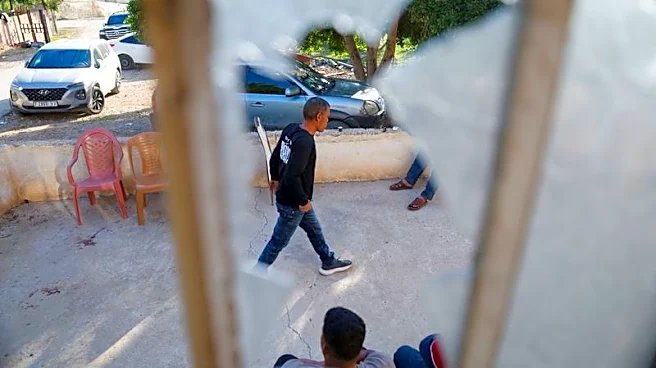
The family of Palestinian photojournalist Mohammed Atiq is demanding his immediate release and disclosure of his whereabouts after he was arrested by Israeli forces during a raid on his home in Burqin, west of Jenin. According to his father, Ahmed Atiq,
Israeli soldiers blew open the door, searched the premises, and took Mohammed to an unknown location. The family has not received any information regarding his detention conditions. Mohammed Atiq works for several international outlets, including Middle East Eye, and was previously detained while filming the olive harvest. This arrest is part of an ongoing campaign targeting Palestinian journalists, with the Palestinian Prisoners' Club (PCC) reporting that 38 journalists, including five women, are currently held in Israeli prisons. The PCC also noted that two journalists from the Gaza Strip have been subjected to enforced disappearance since October 7, 2023, and over 260 journalists have been killed in Israeli attacks in Gaza.
Why It's Important?
The detention of Mohammed Atiq and the broader targeting of Palestinian journalists raise significant concerns about press freedom and human rights in the region. The actions described, including arrests without clear information on whereabouts and the use of administrative detention, can hinder the ability of journalists to report on events, thereby limiting the public's access to information. This situation impacts international media organizations that rely on local journalists for coverage. The Palestinian Journalists Syndicate views these arrests as a systematic effort to prevent journalists from uncovering the truth. The reported violations against imprisoned journalists, such as physical assault and denial of fundamental rights, also highlight potential breaches of international humanitarian and human rights laws, drawing scrutiny from international bodies and press freedom advocates.
What's Next?
The Palestinian Journalists Syndicate is actively working on two fronts to address the cases of detained journalists. Legally, they are coordinating with prisoner affairs entities and have assigned four lawyers to represent journalists in Israeli courts. Externally, they are preparing periodic reports documenting violations against journalists and submitting them to the International Federation of Journalists and relevant United Nations bodies, particularly those focused on freedom of opinion and expression. These efforts aim to pressure Israeli authorities for the release of detained journalists or to provide clarifications on their detention conditions. However, the Syndicate acknowledges that these efforts have yielded limited tangible results so far, indicating a continued struggle for press freedom in the region. The family of Mohammed Atiq continues to await information and his release.
Beyond the Headlines
The ongoing targeting of journalists in the region, as exemplified by Mohammed Atiq's arrest, points to a deeper struggle over narrative control and the flow of information. The allegations of 'incitement' and 'secret files' used to justify detentions, as stated by the PCC, suggest a legal framework that can be used to suppress critical reporting. This environment can lead to self-censorship among journalists and a chilling effect on independent media. The international community's response to these incidents, particularly from organizations dedicated to press freedom, will be crucial in upholding journalistic principles and ensuring accountability. The long-term implications could include a significant reduction in independent reporting from the affected areas, potentially shaping global perceptions of the conflict.