








What's Happening?
The U.S. Food and Drug Administration (FDA) has announced a voluntary recall of Starfish Seafood Premium Cold Smoked Norwegian Salmon Sliced due to potential contamination with Listeria monocytogenes. The recall was initiated by Brooklyn, New York-based
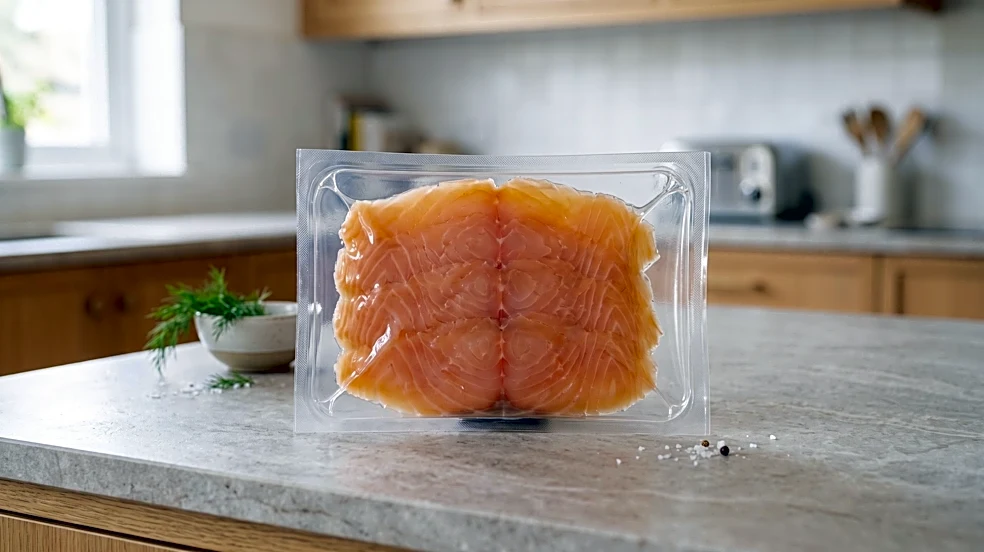
distributor Krasnyi Oktyabr Inc. after sampling by the New York State Department of Agriculture and Markets detected possible contamination. The affected product is sold in 227-gram (8-ounce) vacuum-sealed plastic packages, identified by UPC 4751048940099, lot number D080-148, and a best-before date of November 27, 2027. This specific batch was distributed in Florida, New York, Georgia, New Jersey, Pennsylvania, and Ohio. Consumers are advised not to consume the recalled salmon and to return it to the place of purchase for a full refund. As of the announcement date, no illnesses related to the consumption of this product have been reported. This recall is a preventive measure, and Krasnyi Oktyabr Inc. has stated that it acts as a wholesale distributor and did not manufacture the product, which has a declared country of origin of Latvia.
Why It's Important?
The recall of cold-smoked salmon due to Listeria monocytogenes contamination is significant because Listeria can cause serious and sometimes fatal infections, particularly in vulnerable populations. These include young children, older adults, individuals with weakened immune systems, and pregnant women. For pregnant women, Listeria infection can lead to severe complications such as miscarriage or stillbirth. Even in healthy individuals, symptoms can include high fever, severe headache, stiffness, nausea, abdominal pain, and diarrhea. Since cold-smoked fish is typically consumed without further cooking, which would kill the bacteria, the risk of infection is heightened. The broad distribution across six U.S. states means a significant number of consumers could be affected. This incident underscores the critical importance of food safety regulations and the vigilance of state and federal agencies like the FDA and the New York State Department of Agriculture and Markets in protecting public health through product testing and recalls.
What's Next?
Consumers who have purchased the Starfish Seafood Premium Cold Smoked Norwegian Salmon Sliced with the specified lot number and best-before date are urged to immediately cease consumption and return the product to the point of purchase for a full refund. Given that the product was sold frozen, consumers should check their freezers for any packages that may have been stored for an extended period, as freezing does not eliminate Listeria. Krasnyi Oktyabr Inc. has requested that its commercial clients halt sales and distribution, identify remaining stock, and inform their buyers. The FDA will continue to monitor the situation, and consumers with questions can contact Krasnyi Oktyabr Inc. directly. This recall follows other recent food safety alerts in the U.S., indicating ongoing scrutiny of food products for potential bacterial contamination. Further investigations may be conducted to determine the source of contamination if not already identified.
Beyond the Headlines
This recall highlights the complex global supply chain for food products, as the salmon, though distributed by a U.S. company, originated from Latvia. It also brings to light the challenges in tracing contaminated products, as the FDA did not identify specific supermarket chains or establishments that received the packages, making it difficult for consumers to pinpoint where they might have purchased the affected item. The voluntary nature of the recall by Krasnyi Oktyabr Inc., rather than an FDA-imposed order, demonstrates the industry's responsibility in responding to potential health risks. The incident also serves as a reminder of the persistent threat of foodborne pathogens like Listeria, which can survive and even thrive in refrigerated conditions, necessitating rigorous testing and swift action to prevent widespread illness. The emphasis on returning the product for a refund, even if frozen, underscores the severity of the potential health risk.