







What's Happening?
Florida Statute 468.8311 provides a clear definition for the term 'home' within the context of residential real property and home inspection services. According to the statute, a 'home' encompasses various types of residential real property, including
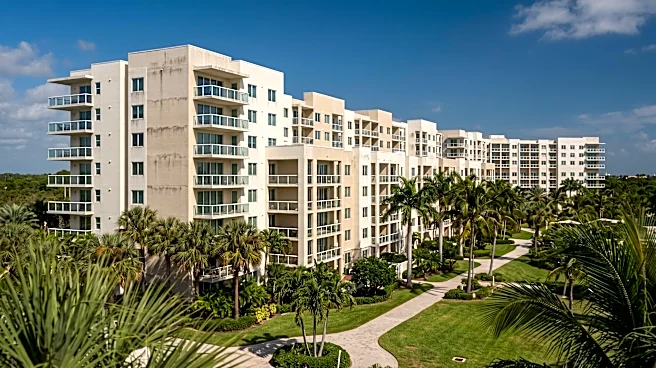
single-family dwellings, duplexes, triplexes, quadruplexes, condominium units, and cooperative units. It also specifically includes manufactured or modular homes. This definition is crucial for the regulatory framework governing home inspectors in Florida, as it delineates the types of properties that fall under their purview. The statute clarifies that the common areas of condominiums or cooperatives are explicitly excluded from this definition of 'home'. This legal definition helps to standardize the scope of work and responsibilities for home inspectors operating within the state, ensuring consistency in how residential properties are categorized for inspection purposes.
Why It's Important?
This statutory definition is important for several reasons, primarily impacting the real estate and home inspection industries in Florida. For home inspectors, it provides a precise legal framework for their services, reducing ambiguity regarding what constitutes a 'home' for inspection purposes. This clarity can help prevent disputes between inspectors and property owners or buyers by setting clear expectations. For consumers, particularly those purchasing residential properties, this definition ensures that a wide range of dwelling types are subject to regulated home inspections, offering a layer of protection and due diligence. It also helps to differentiate between individual residential units and shared common areas in multi-unit developments, which often have different maintenance and inspection requirements. The exclusion of common areas from the 'home' definition suggests that these might be subject to separate regulations or inspections, potentially involving homeowners' associations or property management entities.
What's Next?
The established definition in Florida Statute 468.8311 will continue to serve as the foundational legal reference for home inspection practices and residential real estate transactions in Florida. Future developments might involve legislative reviews or amendments to this statute, potentially in response to evolving housing trends, new construction technologies, or changes in consumer protection needs. Any proposed changes would likely undergo a public comment period and legislative debate, involving stakeholders from the real estate, construction, and home inspection industries. Additionally, the Department of Business and Professional Regulation, which is defined in the statute as the 'Department,' will continue to oversee the implementation and enforcement of regulations based on this definition, ensuring that home inspectors adhere to the established standards for residential property inspections.
Beyond the Headlines
Beyond its immediate legal and regulatory implications, Florida Statute 468.8311 reflects a broader societal understanding of what constitutes a 'home' in a legal and transactional sense. The inclusion of various dwelling types, from single-family homes to condominium units and manufactured homes, highlights the diverse nature of residential living in Florida. This comprehensive definition underscores the state's commitment to consumer protection across different housing markets. It also implicitly acknowledges the significant financial and emotional investment individuals make when purchasing a home, regardless of its specific type. The distinction between individual units and common areas in multi-unit properties also points to the complex legal structures and shared responsibilities inherent in community living, where the concept of 'home' extends beyond individual ownership to collective well-being and maintenance.