


What's Happening?
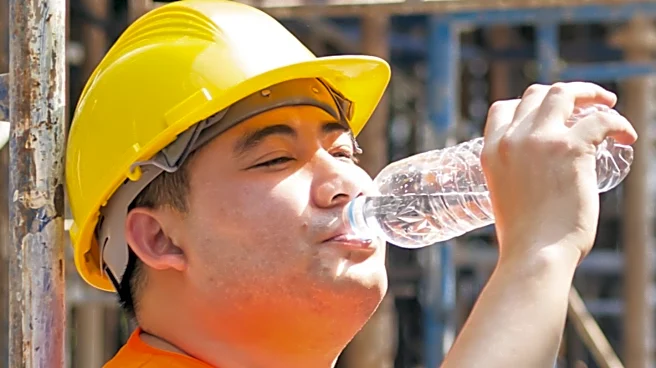
Construction crews in Topeka, Kansas, are implementing modified work schedules and increased hydration efforts to cope with extreme heat conditions. Hop-2-It Concrete and Remodeling, for instance, has shifted to earlier start times to avoid the peak afternoon
temperatures. Employee Bill Wilson Jr., 69, emphasized the necessity of taking breaks and staying hydrated to prevent heat-related illness. The company's owner, AJ Hopper, noted that working in residential areas sometimes restricts early starts due to noise ordinances, but in rural settings, they can begin earlier. Crews are packing coolers with ice water, and clients are also offering support by providing bottled water. A City of Topeka official confirmed that the street and traffic team is supplying Gatorade to its crews and utilizing air-conditioned trucks for breaks.
Why It's Important?
The adaptation of construction work practices in Topeka highlights a broader challenge faced by outdoor labor sectors across the U.S. during periods of extreme weather. Prolonged exposure to high temperatures poses significant health risks to workers, including heatstroke, exhaustion, and dehydration, which can lead to decreased productivity and increased workplace accidents. Companies that proactively adjust schedules and provide hydration resources demonstrate a commitment to worker safety and well-being, potentially reducing healthcare costs and improving employee retention. This trend also underscores the economic impact of climate patterns on industries reliant on outdoor labor, necessitating operational flexibility and investment in protective measures to maintain continuity and efficiency.
What's Next?
As extreme weather events become more frequent, it is likely that more businesses in outdoor industries will adopt similar strategies to protect their workforce. This could lead to a broader reevaluation of standard work hours during summer months, potentially influencing labor policies and contractual agreements. There may also be an increased demand for innovative cooling technologies and hydration solutions in industrial settings. Furthermore, local governments and regulatory bodies might consider implementing or strengthening guidelines for working in extreme heat, potentially mandating certain safety protocols and resource provisions. The long-term implications could include shifts in construction project timelines and costs, as companies factor in weather-related operational adjustments.
Beyond the Headlines
The challenges faced by Topeka's construction crews extend beyond immediate operational adjustments, touching upon broader societal and ethical considerations. The vulnerability of older workers, like Bill Wilson Jr., to extreme heat underscores the need for age-inclusive workplace safety policies. This situation also highlights the often-overlooked physical demands and risks associated with essential labor, prompting questions about fair compensation and adequate support for those who work in challenging environmental conditions. The proactive measures taken by some companies and the city suggest a growing awareness of corporate social responsibility in the face of climate change, potentially setting precedents for how businesses and municipalities address worker safety in a warming world.