





What's Happening?
Democratic-led states and cities have filed lawsuits challenging the Trump administration's plan to revive a 'public charge' rule, which is set to take effect on Friday. The lawsuits, filed in federal court in Manhattan, argue that the rule grants the U.S.
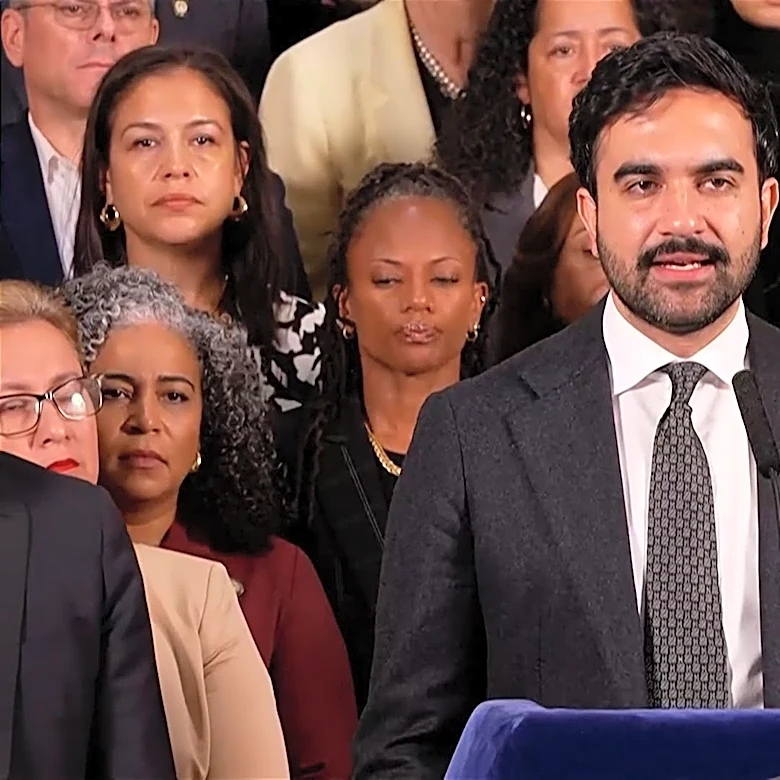
Department of Homeland Security (DHS) broad discretion to deny green cards to immigrants who utilize public assistance programs for essential needs such as food, healthcare, and housing. New York Attorney General Letitia James is leading a coalition of 21 states in one of the lawsuits, asserting that the rule would compel immigrant families to choose between seeking necessary assistance and pursuing legal status. Connecticut Attorney General William Tong echoed this sentiment, calling the rule a 'cruel scheme' designed to deter immigrant families from accessing legally entitled aid. New York City Mayor Zohran Mamdani, along with leaders from other U.S. cities including Chicago, San Francisco, and Seattle, filed a separate suit, warning of a 'chilling effect' that could extend beyond immigrants to other residents. The lawsuits contend that the forthcoming rule is 'arbitrary and capricious,' exceeds DHS's statutory authority, and deviates from the historical interpretation of the federal government's public charge provision. DHS, in response, dismissed these concerns, suggesting that 'sanctuary states' are worried about losing federal funds if non-citizens opt out of welfare programs.
Why It's Important?
The revival of the 'public charge' rule has significant implications for immigrant communities, public health, and social welfare programs across the United States. Critics argue that the rule will create a climate of fear, discouraging immigrant families, including those with U.S. citizen children, from accessing vital services like health insurance, food assistance, and housing aid. This 'chilling effect' could lead to poorer health outcomes, increased food insecurity, and greater instability for vulnerable populations. For states and cities, this could translate into higher costs for emergency services as people avoid preventative care, and a potential increase in uncompensated care. The rule also challenges a long-standing interpretation of immigration law, potentially broadening the definition of 'public charge' in a way that advocates argue was not intended by Congress. The legal battles highlight a fundamental disagreement over the role of public assistance in the immigration process and the extent of discretion granted to immigration officials. The outcome of these lawsuits will shape access to essential services for millions and influence the integration of immigrant families into American society.
What's Next?
The 'public charge' rule is scheduled to go into effect on Friday, despite the lawsuits filed by Democratic-led states and cities. The federal courts in Manhattan will now consider the arguments presented by the plaintiffs, who seek to block the implementation of the rule. The legal challenges will likely involve extensive litigation, potentially leading to appeals and a prolonged judicial process. In the interim, immigrant families and their advocates will be closely monitoring the situation, providing guidance and support to those who may be affected. Organizations will likely intensify efforts to educate immigrant communities about their rights and the potential consequences of the rule, while also advocating for its reversal. The Trump administration, through DHS, is expected to defend the rule vigorously, maintaining its stance on the necessity of tying immigration status more closely to self-sufficiency. The legal proceedings will determine whether the rule is deemed lawful and can proceed as planned, or if its implementation will be halted or modified by court order. The political and social ramifications of this rule are expected to continue to be a prominent issue in national discourse.
Beyond the Headlines
Beyond the immediate legal and social impacts, the 'public charge' rule touches upon deeper societal values and the historical context of immigration in the U.S. The concept of a 'public charge' has existed in U.S. immigration law for over a century, but its interpretation has varied significantly. The Trump administration's revival and expansion of this rule reflect a broader ideological stance on immigration, emphasizing self-sufficiency and potentially limiting immigration to those deemed financially independent. This approach contrasts with perspectives that view access to social safety nets as a fundamental right and a means of promoting integration and well-being for all residents, regardless of immigration status. The rule also raises questions about the role of government in shaping the demographics and socio-economic profile of immigrant populations. Critics argue that it disproportionately affects lower-income immigrants and those from developing countries, potentially creating a two-tiered system of immigration. The legal challenges are not just about a specific regulation but about the very definition of who is welcome in the United States and the extent to which the government can use economic criteria to determine eligibility for legal residency. This debate has long-term implications for the nation's identity and its commitment to humanitarian principles.