




What's Happening?
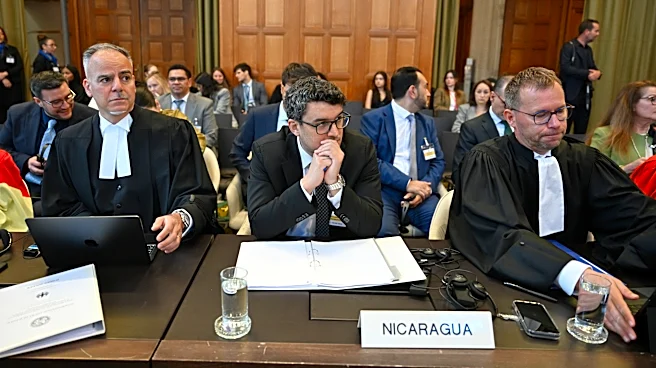
The International Criminal Court (ICC) in The Hague has convened a hearing to discuss reparations for victims of crimes in Darfur linked to Ali Kushayb. Legal representatives for the victims emphasized the urgent need for tangible reparations, noting
that many victims have been awaiting redress for over two decades. The hearing involved submissions from victims' legal representatives, the prosecution, the Trust Fund for Victims, the Registry, human rights organizations, and amicus curiae. The proposed reparations include support for return and reintegration, symbolic financial compensation, income-generating projects, medical assistance, support for vulnerable groups, and education. Victims' legal representative Natalie von Wistinghausen highlighted that priorities were identified through direct consultations and surveys, with a focus on bringing real change to victims' lives rather than just symbolic recognition. A decision on the scope and implementation of these reparations will be issued at a later stage.
Why It's Important?
This hearing is a critical step in the ICC's mandate to provide justice and reparations to victims of the gravest international crimes. The case against Ali Kushayb, who was found guilty of 27 counts of crimes against humanity and war crimes in Darfur, represents a significant effort to hold individuals accountable for widespread atrocities. The call for 'effective and tangible' reparations underscores the long-standing suffering of the victims and the need for practical measures to aid their recovery and reintegration. The emphasis on collective reparations and community-led initiatives, such as mapping and documentation programs for land restitution, highlights a comprehensive approach to addressing the multifaceted harm caused by these crimes. The outcome of this reparations process could set a precedent for future ICC cases, influencing how victims' rights are addressed and how international justice contributes to post-conflict recovery and reconciliation.
What's Next?
Following the submissions from various parties, Trial Chamber I of the ICC will issue a decision on the scope and implementation of reparations for the victims in the Ali Kushayb case. This decision will determine the specific forms of redress, whether individual or collective, and how they will be administered, potentially through the Trust Fund for Victims. Challenges remain, including the large number of potential beneficiaries, limited resources, difficulties in identifying and notifying eligible victims, and security and logistical obstacles, particularly given that victims are dispersed across Darfur, refugee camps in Chad, and the diaspora. The effectiveness of these reparations will also depend on cooperation from Sudanese authorities, which has been described as limited. The Appeals Chamber is also expected to rule on appeals filed by both the Defense and Prosecution against Kushayb's 20-year imprisonment sentence.
Beyond the Headlines
The reparations hearing for Darfur victims extends beyond immediate financial or material compensation, touching upon deeper issues of identity, land rights, and historical memory. The victims' desire for the recognition of their right to return to their original land and the proposal for mapping and documentation programs highlight the profound connection between people and their ancestral territories. This aspect of reparations acknowledges that the harm inflicted by war crimes and crimes against humanity often includes the destruction of cultural heritage and the displacement of communities. The call for flexible shelters that can be adapted and moved reflects an understanding of the dynamic nature of displacement and the need for solutions that support eventual return. This case underscores the complex and long-term nature of justice for mass atrocities, where legal judgments must translate into meaningful and sustainable recovery for affected populations.