
What's Happening?
The ongoing conflict in Iran has led countries in Asia and Europe to reconsider their reliance on imported fossil fuels, particularly from the United States. As these regions face energy disruptions, they
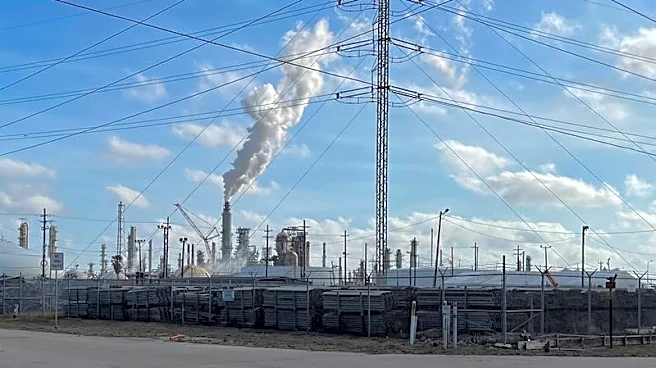
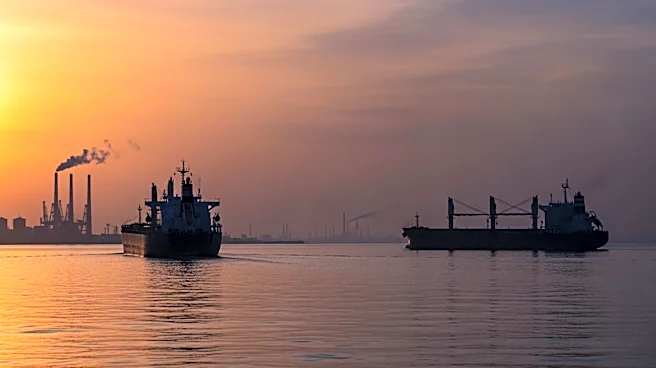
are exploring alternatives such as coal, nuclear power, and electric vehicles to reduce dependency on foreign imports. This shift poses challenges for U.S. energy firms that have invested heavily in liquefied natural gas export terminals along the Gulf Coast. Despite current demand for U.S. gas to replace disrupted Middle Eastern shipments, the long-term outlook for fossil fuel exports is uncertain. Countries are accelerating clean energy projects and considering structural changes to their energy systems, which could significantly reduce their consumption of imported oil and gas by 2050.
Why It's Important?
The shift away from U.S. fossil fuels has significant implications for the American energy sector, which has relied on growing demand from Asia and Europe. If these regions successfully transition to alternative energy sources, it could undermine the expansion plans of U.S. energy companies and affect the global fossil fuel market. This development also highlights the geopolitical risks associated with energy dependency and the potential for countries to seek energy independence. The move towards renewable energy sources could accelerate efforts to combat climate change, although the transition may involve increased coal usage, which poses environmental concerns.
What's Next?
Countries are likely to continue investing in renewable energy infrastructure and exploring new technologies to reduce reliance on imported fossil fuels. U.S. energy firms may need to adapt their strategies to align with changing global energy demands. The geopolitical landscape will play a crucial role in shaping future energy policies, and ongoing tensions in the Middle East could further influence global energy markets. Stakeholders in the energy sector will need to monitor these developments closely and consider diversifying their energy portfolios to mitigate risks.
Beyond the Headlines
The shift away from U.S. fossil fuels could lead to broader changes in international energy policies and trade relations. As countries seek to insulate themselves from geopolitical risks, there may be increased collaboration on clean energy initiatives and technological innovation. This transition could also impact global economic dynamics, as energy independence becomes a strategic priority for many nations. The ethical implications of energy dependency and the environmental impact of fossil fuels will continue to be central issues in international discussions.