




What's Happening?
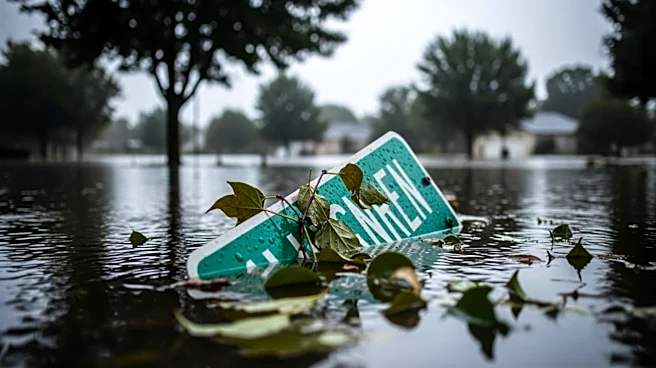
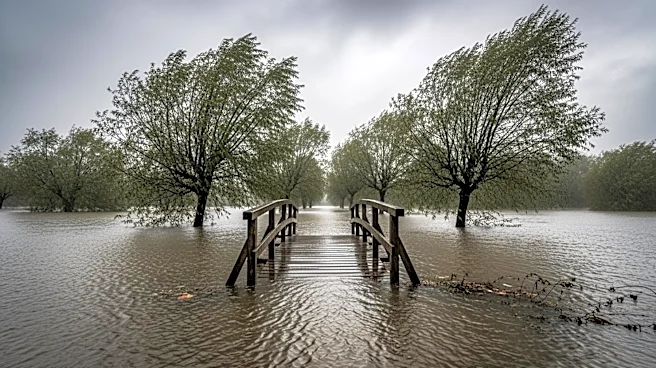
In northeastern Michigan, homes along Black Lake have been severely impacted by large chunks of ice due to heavy spring rainfall and snowmelt. The Cheboygan County sheriff's office reported that the Black Lake, Black River, and other waterways have overflowed,
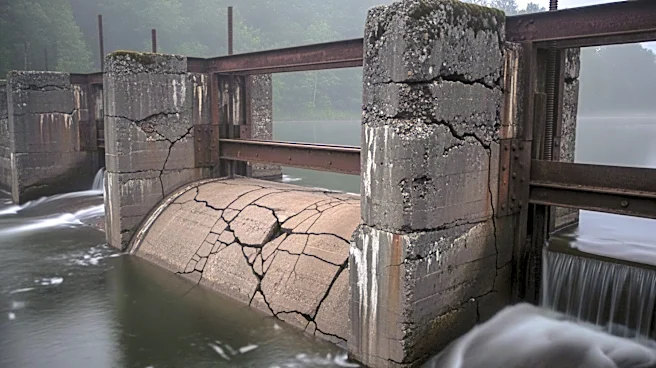
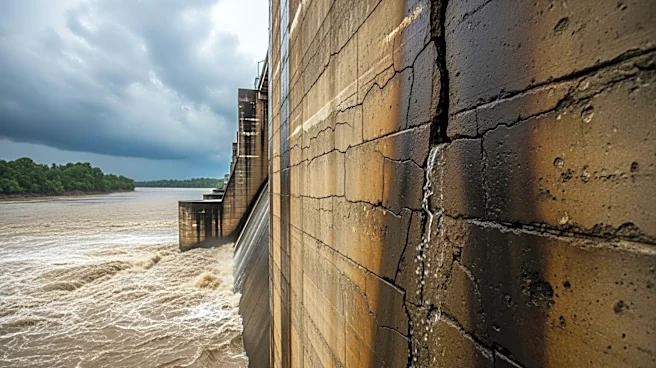
leading to significant flooding and ice damage. Ice sheets, described as 'mini glaciers,' have crashed into homes, breaking windows and doors, and causing extensive property damage. State and county officials are working to manage the situation by preventing debris and ice from clogging the Cheboygan Lock and Dam Complex, which is crucial for water flow to Lake Huron. Governor Gretchen Whitmer has declared a state of emergency in Cheboygan and over 30 other counties in Michigan due to the severe weather conditions.
Why It's Important?
The flooding and ice damage in Michigan highlight the vulnerabilities of infrastructure and communities to extreme weather events, which are becoming more frequent due to climate change. The situation underscores the need for improved emergency preparedness and infrastructure resilience to protect communities from similar events in the future. The economic impact on affected homeowners, many of whom lack flood insurance, could be significant, leading to financial strain and potential displacement. The state's response and resource allocation will be critical in mitigating the immediate effects and preventing future occurrences.
What's Next?
Efforts to manage the flooding and ice damage will continue, with state and local officials focusing on maintaining the integrity of the Cheboygan Lock and Dam Complex. As water levels recede, assessments of the damage will be necessary to determine the full extent of the impact and the resources required for recovery. Long-term, there may be discussions on enhancing infrastructure to better withstand such events and revisiting insurance policies to cover flood-related damages in areas previously considered low-risk.