





What's Happening?
A Technical Assistance Solutions Hub was launched at a COP31 priority spotlight event to address the modernization of electricity grids. The hub aims to connect governments, utilities, and system operators with the expertise needed to plan, finance, and build
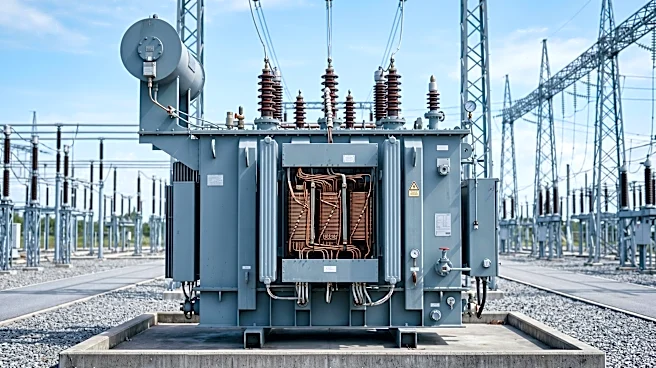
modern grids. This initiative is supported by various stakeholders, including the UK Minister for Climate Transition, COP30 Climate High-Level Champion Dan Ioschpe, and Director-General IRENA, among others. The consensus among these stakeholders is that outdated grids represent a significant obstacle to countries transitioning their economies to run on renewable energy. The Green Grids Initiative (GGI) and Utilities for Net Zero Alliance (UNEZA), guided by IRENA, co-organized the session. GGI has been mandated by the Brazilian government and the COP30 Presidency to coordinate international assistance on power grids and will serve as the hub secretariat. IRENA, under the COP31 Global Electrification Initiative, will lead the implementation of D-GRIDs, focusing on distribution-grid investment, planning, modernization, digitalization, resilience, and capacity building.
Why It's Important?
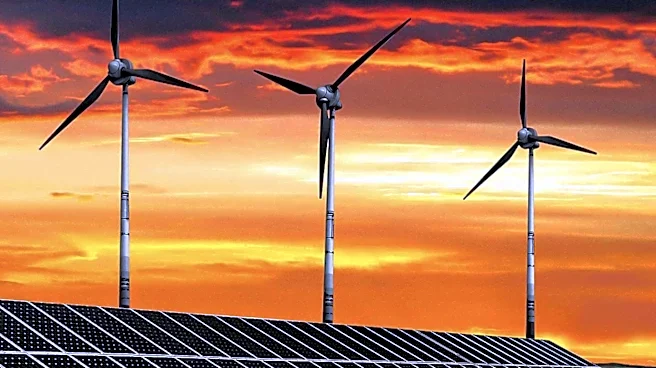
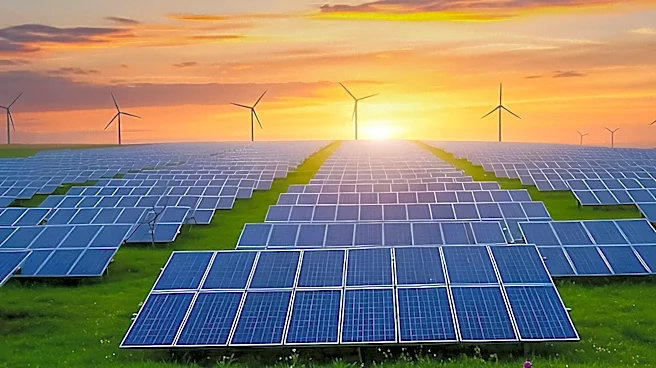
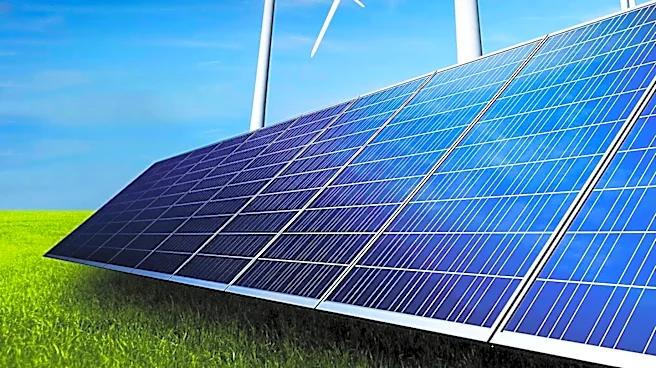
The modernization of electricity grids is crucial for accelerating the global energy transition, particularly in the U.S. and other nations aiming to electrify their economies with clean, renewable energy. Outdated grid infrastructure is identified as a primary bottleneck preventing the widespread adoption and integration of renewable sources like solar and wind. This new technical assistance hub will provide critical support to countries struggling with grid optimization, expansion, and the integration of smart grid technologies and storage solutions. By facilitating access to expert support in planning, market design, and investment, the hub can help unlock significant economic and environmental benefits. For the U.S., this could mean more efficient energy systems, reduced reliance on fossil fuels, and enhanced grid resilience against climate impacts and other disruptions. The initiative also highlights the global recognition of grid modernization as a key component of climate action and economic development.
What's Next?
The Technical Assistance Solutions Hub will begin coordinating tailored assistance for ministries, regulators, utilities, and system operators. GGI, along with IRENA as a lead partner, will work with specialist technical assistance providers, including UNEZA, NESO, and the African Development Bank, to deliver this support. The hub will leverage resources such as the GGI Electricity Transition and Grids Flexibility Playbooks. Examples of anticipated benefits include modeling opportunities for smart grid technologies and demand-side flexibility, similar to how the Carbon Trust identified significant annual savings for Colombia's National Energy Plan. The UK's National Energy System Operator's success in rewarding users for shifting electricity demand during winter 2024/25 also serves as a model for potential outcomes. Furthermore, capacity-building workshops, like those delivered by UNEZA for African power utilities on Advanced Grid Operations and Renewable Energy Integration, are expected to be a key component of the hub's activities. The UN Secretary-General is also scheduled to hold a session on the Global Grids Accelerator, indicating continued high-level focus on grid upgrades.
Beyond the Headlines
The launch of the Technical Assistance Solutions Hub signifies a deeper recognition of the systemic challenges in achieving global decarbonization goals. Beyond the immediate technical and financial aspects, this initiative addresses the critical need for knowledge transfer and capacity building in developing and developed nations alike. The emphasis on 'bespoke technical assistance' acknowledges that a one-size-fits-all approach is insufficient for the diverse energy landscapes and regulatory environments worldwide. This collaborative model, involving international organizations, governments, and private sector entities, could set a precedent for addressing other complex global challenges. Ethically, it underscores a commitment to equitable access to sustainable energy solutions, particularly for countries that may lack the internal expertise or resources to modernize their grids independently. Long-term, this could foster greater energy independence, economic stability, and resilience against future energy crises, while also accelerating the transition to a net-zero global economy.