
What's Happening?
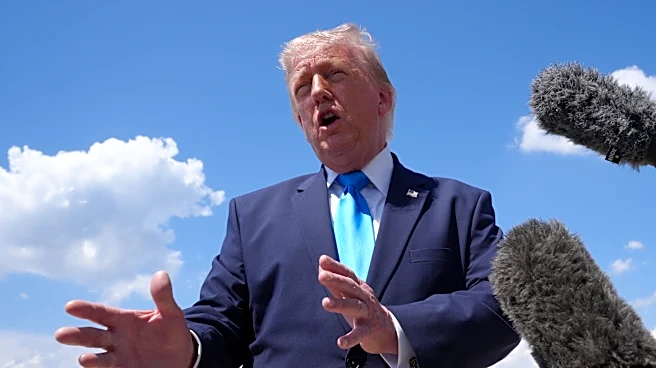
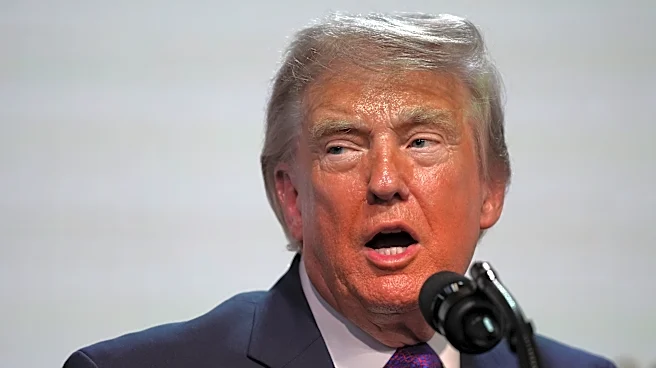
The Internal Revenue Service (IRS) has agreed to drop all pending investigations into President Trump regarding his tax payments, following a lawsuit he filed against the agency over a leak of his tax returns.
This decision includes a longstanding audit that could have resulted in a $100 million tax bill for Trump if wrongdoing was found. The settlement, which resolves Trump's $10 billion lawsuit over the 2018 leak, prevents the U.S. from examining or prosecuting Trump, his sons, and the Trump Organization's current tax filings. This move has been described as highly unusual and possibly unprecedented, as it involves a federal agency within Trump's administration granting him immunity. Tax experts have expressed shock at the breadth of protection offered to Trump, warning that it could undermine public confidence in the fairness of the tax system.
Why It's Important?
The IRS's decision to grant immunity to President Trump is significant as it sets a precedent for how tax laws are applied to high-profile individuals, particularly those in positions of power. This action could lead to a perception that the tax system is not applied equally to all citizens, potentially eroding trust in the system's integrity. The immunity deal also raises questions about the influence of political power on legal and regulatory processes. Critics argue that this could lead to a dual system of justice, where influential figures are subject to different rules than ordinary taxpayers. The decision may also impact future IRS audits and investigations, as it could be seen as a benchmark for how similar cases are handled.
What's Next?
While the settlement covers existing audits, it does not preclude future examinations of Trump's tax filings. Legal challenges to the settlement are anticipated, particularly concerning the compensation fund established as part of the agreement. This fund is being contested by police officers involved in defending the U.S. Capitol during the January 6, 2021, events, who seek to prevent payouts to individuals involved in the riots. Additionally, legal experts expect the tax immunity itself to face court challenges, questioning the Department of Justice's authority to grant such broad immunity. The outcome of these challenges could have lasting implications for the legal framework governing tax audits and executive power.