






What's Happening?
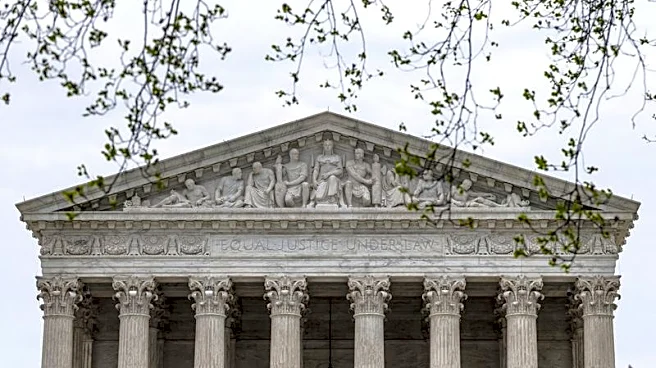
An appeals court has ruled against President Trump's executive order that sought to suspend asylum access at the U.S. southern border. The U.S. Court of Appeals for the District of Columbia Circuit found that the Immigration and Nationality Act does not
grant the President the authority to unilaterally bar individuals from seeking asylum. This decision marks a significant legal setback for a key policy of Trump's administration aimed at curbing migration. The court emphasized that the right to apply for asylum is protected by U.S. law, and the President cannot override this through executive action. The ruling was welcomed by immigration advocates who argue that denying asylum seekers their rights endangers those fleeing persecution.
Why It's Important?
The court's decision underscores the limitations of presidential power in altering immigration policy without congressional approval. This ruling is significant as it reaffirms the legal protections afforded to asylum seekers under U.S. law, potentially impacting thousands of migrants at the border. The decision also highlights the ongoing legal challenges faced by the Trump administration in implementing its immigration agenda. For immigration advocates, this ruling is a victory in ensuring that the U.S. remains a refuge for those fleeing danger. The decision may influence future policy debates and legal interpretations regarding executive authority in immigration matters.
What's Next?
The Trump administration may seek further review of the decision, potentially escalating the case to the Supreme Court. Meanwhile, the ruling could prompt a reassessment of current and future immigration policies by the administration. The Department of Justice and the Department of Homeland Security have expressed disagreement with the ruling, indicating possible continued legal battles. Immigration advocates are likely to use this decision to bolster their efforts in protecting asylum rights. The ruling may also influence legislative discussions on immigration reform, as it highlights the need for clear legal frameworks governing asylum procedures.