







What's Happening?
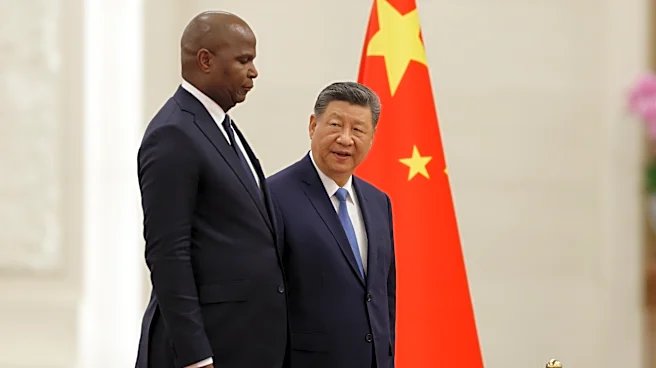
Taiwan's President Lai Ching-te has arrived in Eswatini, marking a significant diplomatic visit to Taiwan's only ally in Africa. The trip, initially scheduled for April 22, was delayed due to several countries revoking overflight permissions, reportedly
under pressure from China. Despite these challenges, Lai emphasized Taiwan's commitment to maintaining international relations and strengthening ties with Eswatini. The visit aims to enhance economic, agricultural, cultural, and educational cooperation between the two nations. China's Ministry of Foreign Affairs criticized the visit, reiterating its stance that Taiwan is part of China and urging Eswatini to reconsider its diplomatic position.
Why It's Important?
This visit underscores the ongoing geopolitical tensions between Taiwan and China, with significant implications for international diplomacy. Taiwan's efforts to maintain and strengthen its few remaining diplomatic relationships highlight its strategic need to counteract China's influence. For Eswatini, the visit could bolster economic and cultural ties, providing potential benefits in trade and development. However, aligning with Taiwan may also risk economic repercussions from China, which has historically used economic leverage to influence diplomatic relations. The situation reflects broader global dynamics, where smaller nations navigate complex relationships between major powers.
What's Next?
Following this visit, Taiwan may seek to further solidify its diplomatic ties with other nations, particularly those under pressure from China. Eswatini's response to potential Chinese economic pressures will be closely watched, as it could influence other countries' diplomatic strategies. Additionally, the international community will likely monitor China's reactions and any subsequent diplomatic maneuvers. The visit may also prompt discussions within international forums about the balance of power and the role of smaller nations in global diplomacy.
Beyond the Headlines
The visit highlights the ethical and political challenges faced by nations in maintaining sovereignty and diplomatic independence. It raises questions about the effectiveness of economic coercion as a tool of international diplomacy and the resilience of smaller nations in the face of such pressures. The situation also reflects the broader struggle for influence in Africa, where both China and Taiwan seek to expand their presence and partnerships.