


What's Happening?
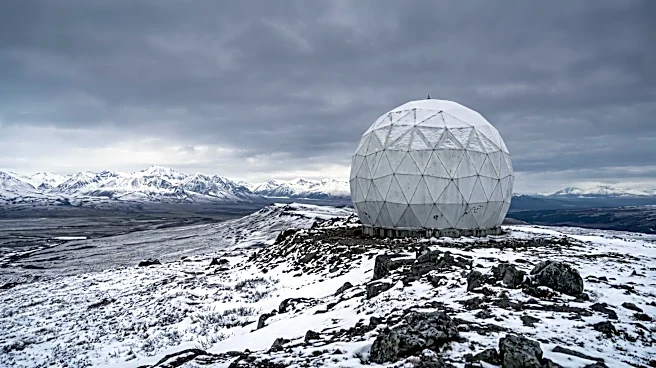
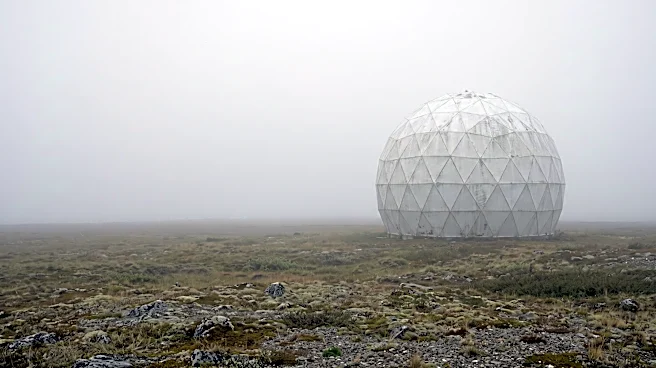
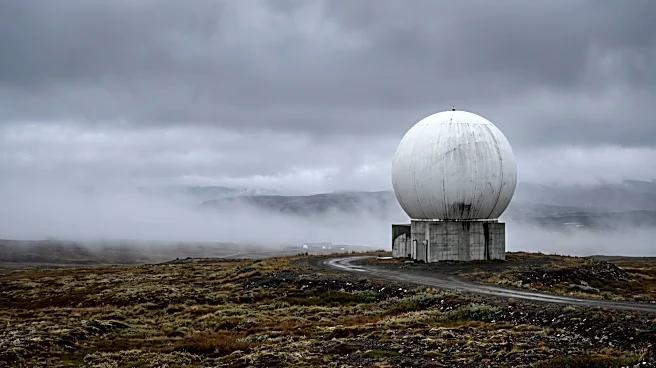
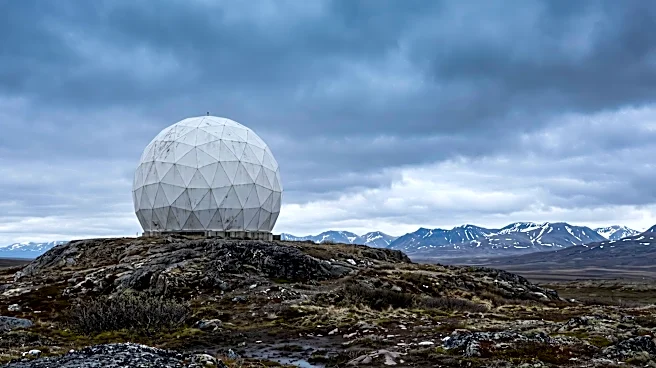
A charter aircraft carrying eight individuals crashed near a remote radar site in western Alaska on Thursday, resulting in the deaths of all on board, as confirmed by the U.S. military. The incident occurred near the Cape Newenham Long Range Radar Site
Airport, approximately 450 miles (725 km) west of Anchorage, Alaska. The plane, a Cessna 441, had departed from Ted Stevens Anchorage International Airport and was en route to Cape Newenham. The crash took place around 12:15 p.m. Thursday. U.S. Air Force Lt. Gen. Robert Davis, commander of Alaskan Command, the Alaskan North American Aerospace Defense Command Region, and Eleventh Air Force, expressed profound sorrow, referring to the loss as devastating for the military family and the communities served. The National Transportation Safety Board’s Alaska region chief, Clint Johnson, stated that the aircraft had two pilots and six passengers. The radar site is managed by the Pacific Air Forces Regional Support Center and is part of a network that monitors aircraft in Alaska's airspace and along its borders. The statement from Alaskan Command referred to the plane as a “civilian-contracted aircraft” and did not provide specific details about the work the individuals were performing.
Why It's Important?
This tragic incident highlights the inherent risks associated with operating in remote and challenging environments, particularly for personnel involved in critical national security infrastructure. The Cape Newenham Long Range Radar Site is a vital component of the U.S. air defense network, responsible for tracking aircraft in Alaskan airspace and along its borders. The loss of eight dedicated professionals, described by Lt. Gen. Robert Davis as carrying out a vital mission in a demanding environment, underscores the human cost of maintaining such operations. The reliance on civilian-contracted aircraft for these missions also brings into focus the broader ecosystem of support services essential for military and defense operations in remote regions. The incident will likely prompt investigations into aviation safety protocols, maintenance, and operational procedures for flights to and from such isolated sites, potentially leading to enhanced safety measures for similar operations across the U.S. and its territories. The event also serves as a somber reminder of the sacrifices made by individuals supporting national defense efforts, even in non-combat roles.
What's Next?
The National Transportation Safety Board (NTSB) will lead an investigation into the cause of the crash. Clint Johnson, the NTSB’s Alaska region chief, has already confirmed the number of pilots and passengers. The investigation will likely involve examining flight data recorders, aircraft maintenance records, weather conditions at the time of the crash, and pilot qualifications. The U.S. military, specifically the Alaskan Command, will focus on providing support to the families, friends, and teammates of those who perished. This will include grief counseling, logistical assistance, and honoring the memory of the dedicated professionals. Depending on the findings of the NTSB investigation, there could be reviews of operational procedures for civilian-contracted flights to remote military installations, potentially leading to new regulations or enhanced safety protocols for such missions. The incident may also prompt a re-evaluation of the types of aircraft used for these critical support roles and the training requirements for their crews.
Beyond the Headlines
Beyond the immediate tragedy, this event underscores the often-unseen dangers faced by individuals supporting critical national infrastructure in remote and harsh environments. The Cape Newenham radar site, like many others, operates in extreme conditions, making logistics and transportation inherently risky. The incident highlights the reliance of military operations on a complex network of civilian contractors and their personnel, whose contributions are essential but often go unnoticed until a tragedy occurs. This crash could spark a broader discussion about the compensation, support, and risk assessment for civilian contractors working in high-risk environments for government agencies. Furthermore, it may draw attention to the aging infrastructure and equipment in some remote defense sites, and the continuous need for investment in modernizing both the technology and the logistical support systems that keep these vital operations running safely. The incident also serves as a poignant reminder of the collective sacrifice made by a diverse group of individuals, both military and civilian, in safeguarding national security.