






What's Happening?
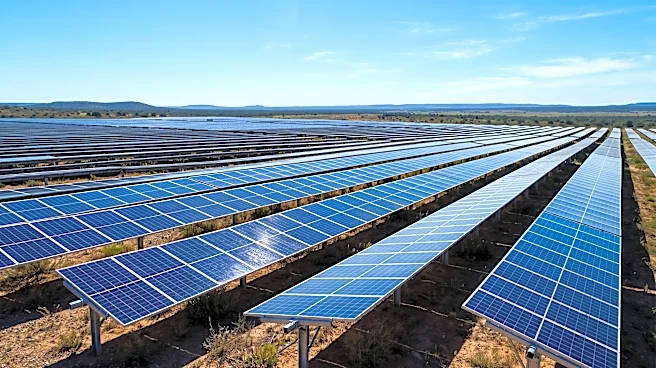
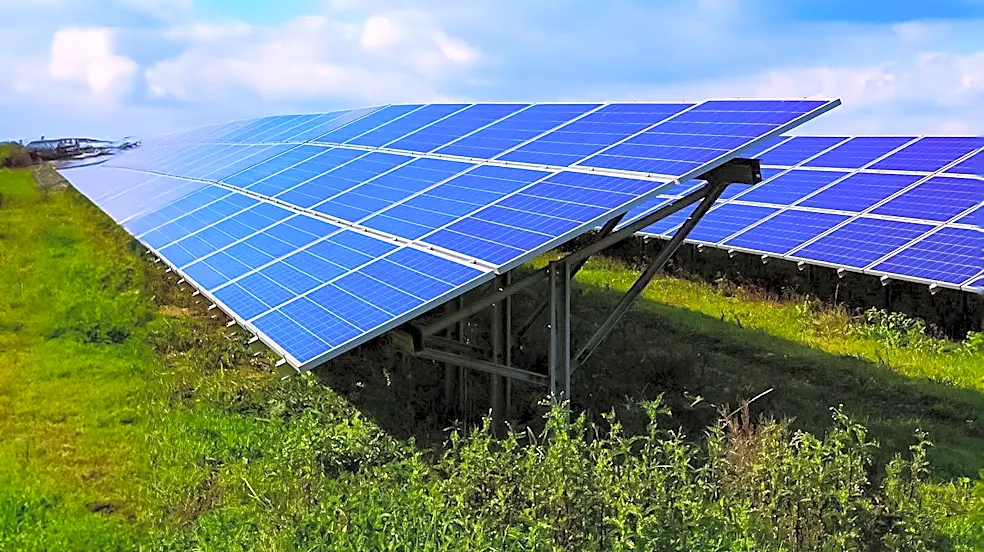
Governor David Apatang of the Commonwealth of the Northern Mariana Islands (CNMI) has strongly advocated for the rapid approval of a proposed solar energy development. He warned that delays could jeopardize critical federal tax credits essential for financing
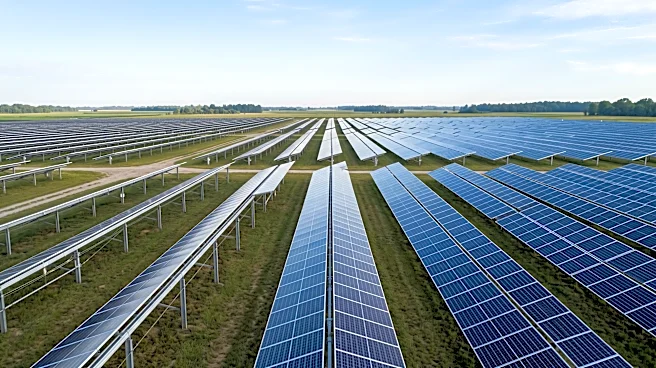
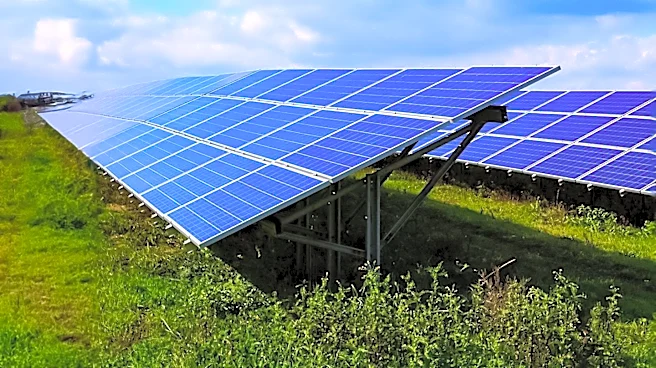
the project. The initiative, estimated to cost $224.9 million, is designed to be fully financed by the developer, Easter Power Solutions CNMI Inc., meaning no construction costs for the Commonwealth Utilities Corporation (CUC) or the CNMI government. Officials project that this solar project could save CUC customers between $7 million and $17 million annually. Governor Apatang emphasized the urgency, noting an October 31 deadline for project approval to secure financing arrangements tied to available federal tax incentives. The project aims to supply over 123 million kilowatt-hours of electricity annually and provide long-term price stability through a fixed 18.5-cent per kilowatt-hour rate over 25 years.
Why It's Important?
This solar project is crucial for the CNMI, which is grappling with high utility costs and an economic downturn. Its approval would not only provide significant financial relief to CUC customers but also reduce the CNMI's dependence on imported diesel fuel, fostering greater energy independence and environmental sustainability. The reliance on federal tax credits for financing underscores the importance of timely regulatory decisions in leveraging national incentives for local development. A failure to meet the October 31 deadline could result in the loss of these critical financing mechanisms, potentially stalling or even canceling a project vital for the commonwealth's economic stability and energy future. The project also represents a significant step towards transitioning to renewable energy, aligning with broader global efforts to combat climate change and promote sustainable development.
What's Next?
The Commonwealth Public Utilities Commission (CPUC) is currently reviewing the proposed power purchase agreement between the Commonwealth Utilities Corporation and Naftan Solar LLC. Governor Apatang's letter to CPUC acting Chairman Bruce Camacho urges the commission to approve the project before the October 31 deadline to secure the federal tax credits. Public hearings have shown strong community support for the project, with residents hoping for relief from high electricity bills. The immediate next step is the CPUC's decision, which will determine whether the project can proceed with the crucial federal financing. If approved, the construction of solar power facilities with battery energy storage systems on Saipan, Tinian, and Rota would commence, marking a significant milestone for renewable energy in the CNMI.
Beyond the Headlines
The situation in the CNMI highlights the delicate balance between regulatory processes and the time-sensitive nature of financial incentives for large-scale infrastructure projects. The potential loss of federal tax credits due to administrative delays underscores the need for streamlined approval mechanisms, especially for projects with significant public benefit. This case also illustrates how federal policies can play a pivotal role in enabling renewable energy transitions in smaller, economically vulnerable regions. Beyond the immediate economic relief, the project's success could serve as a model for other island nations and territories seeking to reduce their reliance on fossil fuels and build more resilient, sustainable energy systems. The long-term impact extends to public health, environmental quality, and the overall quality of life for CNMI residents.