


What's Happening?
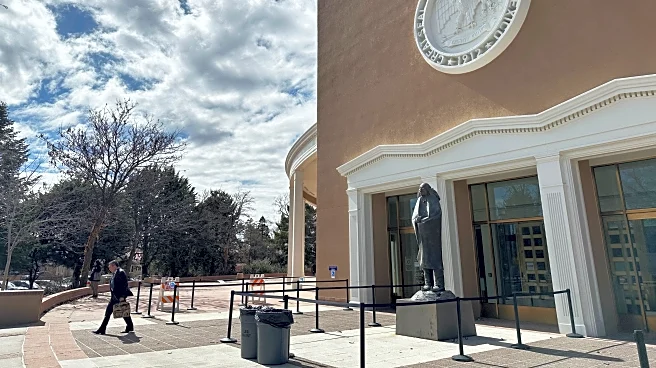
Members of New Mexico's legislature, the only unsalaried state legislature in the U.S., are asking voters to reconsider their volunteer status. A constitutional amendment has been endorsed by the state Senate, allowing voters to decide in November whether
to tie legislative salaries to the median income level in New Mexico, currently about $67,000. This initiative, which has stalled in the past, gained traction through the efforts of young female legislators who highlighted the challenges of balancing work, family, and legislative duties. Democratic state Sen. Angel Charley of Acoma, a sponsor of the measure, emphasized that the current system limits representation to those with personal wealth or those willing to make extraordinary sacrifices. Currently, New Mexico legislators receive travel expenses and allowances for meals and lodging during sessions, and many have access to public pension benefits.
Why It's Important?
The move to professionalize the New Mexico Legislature could have significant implications for the state's political landscape. By offering salaries, the legislature may attract a more diverse group of candidates, including young and working-class individuals who might otherwise be unable to afford the financial sacrifice of serving. This could lead to a broader representation of the state's demographics and potentially more comprehensive policy-making. Additionally, the change could address the issue of legislators juggling separate paid careers, which can hinder progress on complex policy issues. The decision to tie salaries to the median income also reflects an effort to align legislative compensation with the economic realities of the state, potentially increasing accountability and public trust.
What's Next?
If voters approve the amendment in November, New Mexico will join other states in offering legislative salaries, potentially setting a precedent for other states with similar volunteer legislatures. The outcome could influence future discussions on legislative compensation across the country. Stakeholders, including political leaders and civic groups, may engage in campaigns to sway public opinion ahead of the vote. The decision could also prompt discussions on the broader implications of legislative compensation on governance and democracy.