






What's Happening?
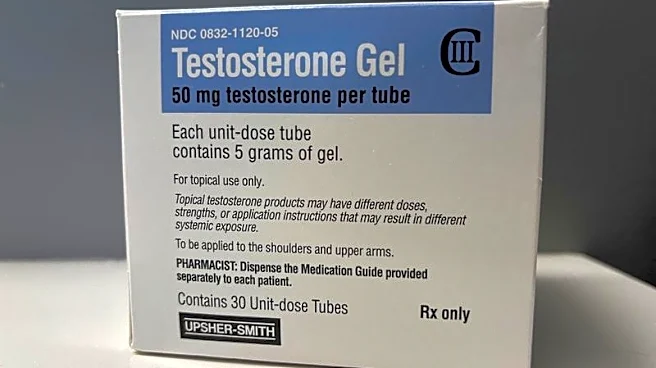
Testosterone Replacement Therapy (TRT) is considered for men experiencing symptoms consistent with testosterone deficiency, provided their total testosterone levels are consistently low on morning blood work, confirmed by multiple draws, and they have
no untreated conditions making TRT unsafe. According to NovaGenix, a single low testosterone number does not automatically qualify a man for TRT; it must be accompanied by symptoms and confirmed through repeat testing. Conditions that may delay or disqualify a man from TRT include untreated or active prostate cancer, markedly elevated hematocrit, untreated severe obstructive sleep apnea, uncontrolled heart failure, recent major cardiovascular events, clotting disorders, or current plans to conceive a child. Most of these are reasons for delay rather than permanent exclusions. The American Urological Association (AUA) uses a total testosterone level below 300 ng/dL as a diagnostic cutoff, but this must be evaluated in conjunction with symptoms and other factors. TRT Nation highlights that fear of needles can deter men from traditional injectable TRT, leading to interest in needle-free alternatives like enclomiphene.
Why It's Important?
The detailed criteria for TRT eligibility and the availability of alternative treatments like enclomiphene and hCG are important for U.S. men's health, impacting how low testosterone is diagnosed and managed. This information helps men make informed decisions about their health, potentially improving quality of life by addressing symptoms such as fatigue, reduced libido, and decreased muscle mass. The emphasis on comprehensive evaluation, including multiple blood tests and symptom assessment, ensures that TRT is prescribed appropriately, minimizing risks and maximizing benefits. The discussion of conditions that disqualify or delay TRT underscores the medical community's commitment to patient safety. Furthermore, the emergence of needle-free options like enclomiphene addresses a significant barrier for many men, potentially increasing access to treatment for those with needle anxiety. The distinction between direct testosterone replacement and methods that stimulate the body's natural production, particularly concerning fertility, is crucial for men planning families.
What's Next?
Men experiencing symptoms of low testosterone should seek a comprehensive medical evaluation, including multiple morning blood draws and a review of their medical history and symptoms. If traditional injectable TRT is not suitable or preferred, discussions with healthcare providers about alternatives like enclomiphene or hCG will be crucial. These alternatives may be particularly relevant for men concerned about fertility or needle aversion. Ongoing monitoring of testosterone levels, symptoms, and other health markers will be essential for those undergoing any form of testosterone therapy. Healthcare providers will continue to emphasize individualized treatment plans, adapting to patient needs and responses. The medical community will likely continue to refine guidelines for TRT and its alternatives, ensuring that treatment protocols remain evidence-based and patient-centered.
Beyond the Headlines
The evolving landscape of testosterone deficiency treatment reflects broader shifts in healthcare towards personalized medicine and addressing patient-specific concerns, such as needle anxiety. The distinction between directly replacing testosterone and stimulating the body's natural production, as seen with enclomiphene and hCG, highlights a nuanced approach to hormonal health. This differentiation has significant ethical and practical implications, especially regarding male fertility and long-term health outcomes. The emphasis on thorough diagnostic processes, rather than relying solely on a single lab result, underscores the complexity of hormonal imbalances and the need for holistic patient assessment. This approach helps prevent misdiagnosis and inappropriate treatment, fostering a more responsible and effective healthcare environment for men's health.