


What's Happening?
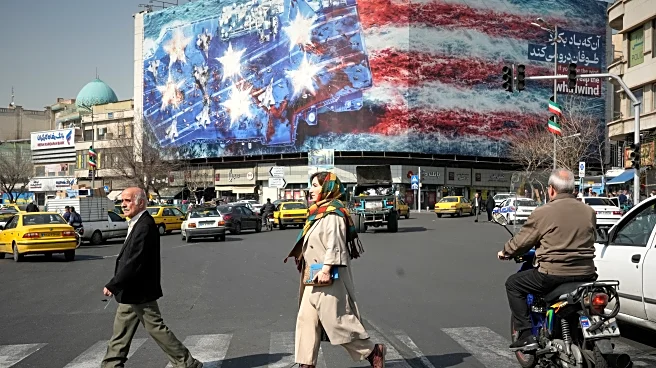
Oil prices have retreated from a six-month high as the U.S. and Iran prepare for a third round of indirect talks in Geneva. The discussions, mediated by Oman's Foreign Minister, aim to address Iran's nuclear program and reduce regional tensions. The Trump
Administration seeks concessions from Iran, which insists its nuclear activities are for civilian purposes. Recent talks have shown potential for a diplomatic solution, with Iran preparing a proposal for the upcoming meeting. The geopolitical atmosphere has moderated, contributing to the decline in oil prices.
Why It's Important?
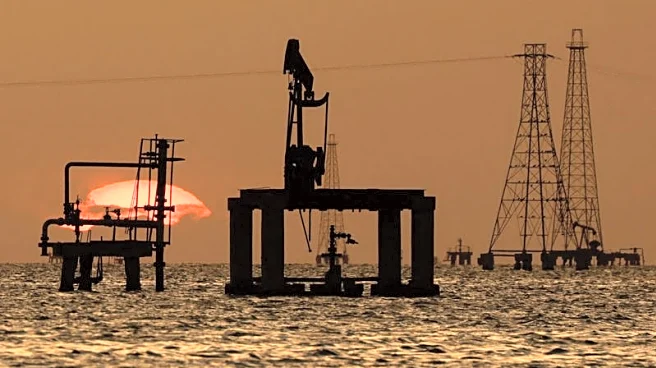
The resumption of U.S.-Iran talks is pivotal for global oil markets, as tensions in the Middle East can significantly impact oil supply and prices. A diplomatic resolution could stabilize markets and reduce the risk premium associated with geopolitical conflicts. The outcome of these talks will also influence U.S. foreign policy and its approach to Iran, potentially affecting international relations and economic sanctions. The negotiations are a critical test of diplomatic efforts to prevent nuclear proliferation and maintain regional stability.
What's Next?
The upcoming talks in Geneva will be closely watched by global markets and political analysts. Both the U.S. and Iran will need to navigate complex issues to reach an agreement, with potential implications for international sanctions and military presence in the region. The success or failure of these talks could set the tone for future U.S.-Iran relations and impact global energy security. Stakeholders, including oil producers and consumers, will be monitoring developments for any signs of progress or setbacks.