




What's Happening?
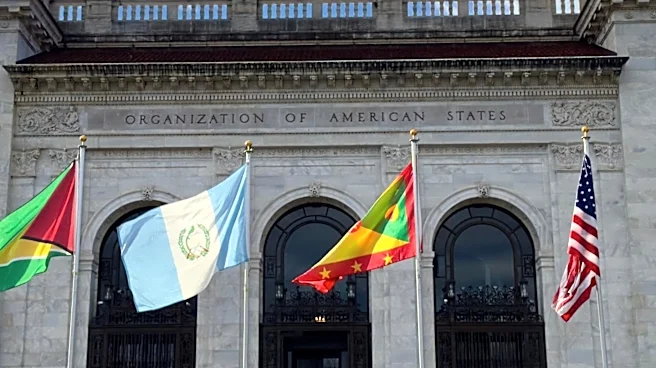
The World Meteorological Organization (WMO) has officially welcomed Grenada as its 194th member, effective October 18, 2026. This development follows the Permanent Mission of the United States of America, as the host country of the WMO Convention, notifying
the WMO Secretariat of Grenada's accession. Grenada, an island nation with a population of approximately 117,000, is highly susceptible to severe weather events and the impacts of climate change. The country experienced significant devastation from Hurricane Beryl, a strong Category 4 storm, on July 1, 2024. As a WMO member, Grenada will be integrated into the WMO’s Regional Association for North America, Central America, and the Caribbean (RAIV) and the RAIV Hurricane Committee. This membership grants Grenada access to WMO's comprehensive services, aimed at improving forecasts, strengthening early warning systems, enhancing its observing network, and developing institutional and technical capacities to better address climate-related challenges.
Why It's Important?
Grenada's accession to the WMO is crucial for bolstering its resilience against the escalating threats of climate change and severe weather. As a small island developing state, Grenada faces disproportionate risks from phenomena like hurricanes, rising sea levels, and changing weather patterns. Membership provides access to advanced meteorological data, forecasting tools, and technical expertise that are vital for effective disaster preparedness and response. Improved early warning systems can save lives and minimize economic losses by allowing for timely evacuations and protective measures. Furthermore, strengthening Grenada's observing network will contribute to a more comprehensive global understanding of climate dynamics, benefiting not only the Caribbean region but also broader international climate research efforts. This move underscores the global recognition of the need to support vulnerable nations in adapting to and mitigating the effects of a changing climate, highlighting the interconnectedness of global weather and climate systems.
What's Next?
With its membership now active, Grenada is expected to begin integrating WMO's services and participating in regional meteorological initiatives. This will likely involve training programs for local meteorologists and technicians, upgrades to weather monitoring infrastructure, and enhanced data sharing protocols with other WMO members. The RAIV Hurricane Committee will be a key forum for Grenada to collaborate on hurricane preparedness and response strategies with neighboring countries. The WMO will continue to support Grenada in developing its institutional and technical capacity, which could lead to more accurate local forecasts and more effective public advisories. This integration is a long-term process, with continuous efforts required to build a robust and resilient national meteorological service capable of protecting its population and economy from future climate-related hazards.
Beyond the Headlines
Grenada's WMO membership highlights a broader global trend of increasing international cooperation to address climate vulnerability, particularly for small island nations. The devastation caused by Hurricane Beryl serves as a stark reminder of the urgent need for such collaborative efforts. This accession could also set a precedent for other vulnerable non-member states to seek similar affiliations, recognizing the tangible benefits of shared meteorological resources and expertise. Beyond immediate disaster preparedness, enhanced climate data and forecasting capabilities can inform long-term national development strategies, including sustainable agriculture, infrastructure planning, and tourism management. The move also reinforces the role of international organizations like the WMO in facilitating scientific and technical assistance to countries on the front lines of climate change, emphasizing collective responsibility in a globally interconnected climate system.