







What's Happening?
Skagway Brewing Company in Skagway, Alaska, has implemented an indoor aeroponic vertical farm, dubbed the Raven’s Nest, to produce 250 pounds of artisanal lettuce weekly. This initiative addresses the significant challenge of accessing fresh, affordable
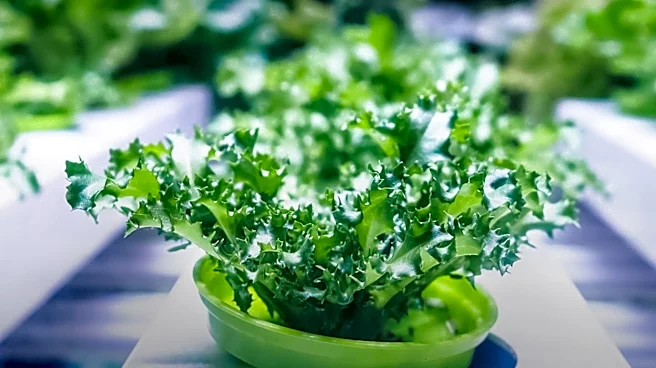
produce in the remote town, which relies heavily on barges from the Lower 48 for food supplies. The farm, located on the third floor of the brewery, grows various lettuce types and basil, selected for their short crop cycles and suitability for vertical gardening. The system uses nutrient-rich mist sprayed directly onto roots and captures CO2 from the brewing process to accelerate growth, minimizing water use without soil or pesticides. This closed-loop system was designed with sustainability in mind by owner Mike Healy, who sought a consistent, fresh food source for his restaurant and the community. Despite initial challenges with the vendor, Healy and his team rebuilt and optimized the system through trial and error.
Why It's Important?
This vertical farming endeavor is crucial for Skagway, a town of approximately 1,000 year-round residents that experiences isolation during winter months and struggles with costly and inconsistent fresh produce. The farm provides a reliable source of fresh greens for the brewery's restaurant and, during winter, donates or sells surplus produce at cost to local schools, senior centers, and markets. This model demonstrates a viable solution for food insecurity in remote U.S. regions, particularly those susceptible to supply chain disruptions due to weather or other factors. The integration of the farm within a brewery also highlights innovative approaches to resource utilization, such as using CO2 from brewing to enhance plant growth. The success of this project could inspire similar initiatives in other isolated communities across Alaska and beyond, fostering greater food independence and resilience.
What's Next?
The Skagway Brewing Company's vertical farm serves as a case study for sustainable food production in challenging environments. The owner, Mike Healy, believes his garden can be replicated in other areas facing food insecurity, suggesting a potential for broader adoption of such aeroponic systems. Future developments may include further optimization of the system, exploration of additional crop varieties, and potential partnerships to expand the reach of locally grown produce within Skagway and neighboring communities. The initiative also aligns with the broader trend of urban agriculture, which received expanded support through the Agriculture Improvement Act of 2018. Continued success could lead to increased investment and innovation in localized food systems, reducing reliance on external supply chains and enhancing community well-being.
Beyond the Headlines
The Skagway vertical farm transcends mere food production; it represents a significant step towards community self-sufficiency and environmental sustainability. By providing fresh, locally grown produce, it not only improves dietary health but also reduces the carbon footprint associated with long-distance food transportation. The project's resilience in overcoming vendor issues underscores the ingenuity and determination often required in pioneering sustainable solutions. Furthermore, the integration of the farm with a local business creates a symbiotic relationship, where the brewery's byproducts (CO2) are utilized for agricultural benefit. This model challenges conventional agricultural practices and offers a glimpse into a future where communities, even in the most remote locations, can achieve greater food autonomy and ecological balance through innovative technological applications.