






What's Happening?
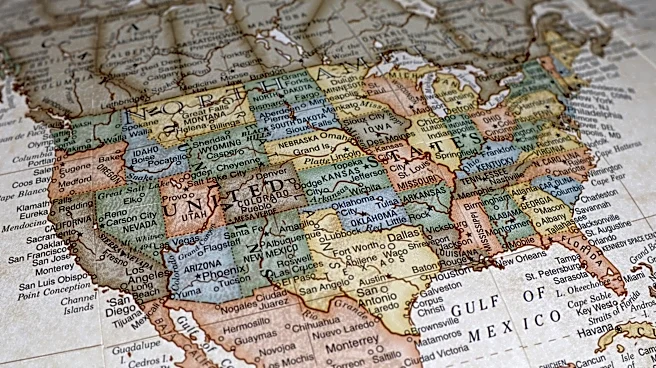
Hawaii's state legislature has passed Senate Bill 2471, set to take effect in 2027, which will prohibit corporations from spending money to influence elections. This law represents a novel legal strategy to limit corporate power by amending state corporate charters
to exclude political spending. The initiative is part of a broader movement to curb corporate influence in politics, with similar efforts underway in other states like Montana.
Why It's Important?
The law challenges the precedent set by the Supreme Court's Citizens United decision, which allowed unlimited corporate spending in elections. By redefining corporate powers at the state level, Hawaii's approach could inspire other states to adopt similar measures, potentially reshaping the landscape of political campaign financing. This development underscores the ongoing debate over corporate influence in democracy and the search for legal avenues to promote fair electoral processes.
What's Next?
The implementation of Hawaii's law will be closely watched as a test case for state-level efforts to regulate corporate political spending. The outcome could influence legislative actions in other states and potentially lead to legal challenges that may reach the Supreme Court. The broader impact on campaign finance reform and corporate governance will depend on the law's effectiveness and the response from stakeholders.