





What's Happening?
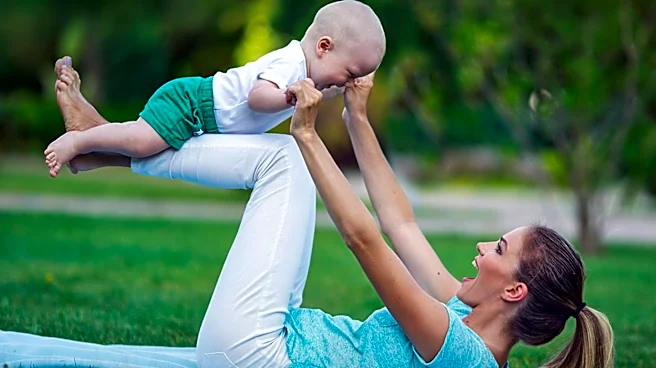
Baylee Despot, a pelvic health physical therapist and mother of three, has introduced a comprehensive program aimed at empowering new mothers through postpartum recovery. This initiative addresses the significant physiological adjustments women face after
childbirth, which are often minimized in healthcare systems. The program focuses on foundational healing, strengthening exercises, and functional movements, emphasizing education, intentional movement, community connection, and personalized progress. It is structured into three phases: Phase I concentrates on breathwork and gentle activation, Phase II introduces specific core and pelvic floor strengthening, and Phase III integrates functional movements for daily life and more strenuous activities. The program also incorporates educational workshops, guided movement practices, one-on-one consultations, and community discussion circles to provide holistic support. Technology, including online modules, virtual support groups, and a dedicated app, extends the program's reach, offering flexibility for mothers with unpredictable schedules.
Why It's Important?
This program is important because it directly addresses a critical gap in maternal healthcare in the United States, where postpartum recovery is often overlooked despite its significant impact on women's long-term health and quality of life. Many new mothers experience issues such as diastasis recti, pelvic floor dysfunction, persistent pain, and hormonal fluctuations that can persist for years if not properly managed. By providing a structured, evidence-based, and compassionate approach, Despot's program helps mothers rebuild strength, confidence, and a sense of control. The holistic framework, which considers the whole person—body, mind, and environment—contributes to improved physical symptoms and enhanced mental and emotional well-being, reducing feelings of isolation and anxiety. This initiative represents a growing movement to prioritize postpartum recovery as a critical health concern, benefiting not only individual mothers but also their families and communities by fostering healthier outcomes.
What's Next?
The program is expected to continue expanding its reach, potentially through further integration with general maternal healthcare providers and increased utilization of its digital components. As more healthcare professionals recognize the value of such comprehensive support, referrals to programs like Despot's may increase, creating a more seamless and effective care continuum for new mothers. The emphasis on education and personalized progress suggests a sustained impact, as mothers are equipped with knowledge and tools for long-term health rather than just addressing immediate concerns. The success of this model could also inspire the development of similar programs across the country, further revolutionizing postpartum care and ensuring that more mothers receive the comprehensive support they need to heal and thrive.
Beyond the Headlines
The initiative by Baylee Despot highlights a broader societal need for a paradigm shift in how maternal recovery is viewed and supported. Beyond the physical aspects, the program addresses the ethical and cultural dimensions of postpartum care, challenging the expectation that women should 'bounce back' immediately after childbirth without adequate guidance or support. By fostering community connection and reducing the stigma associated with postpartum challenges, it promotes a culture of empathy and understanding. The integration of technology also underscores the evolving landscape of healthcare delivery, making specialized support more accessible to diverse populations. This development could lead to long-term shifts in public policy and healthcare funding, advocating for more comprehensive and preventative care for new mothers, ultimately contributing to a healthier and more resilient society.