




What's Happening?
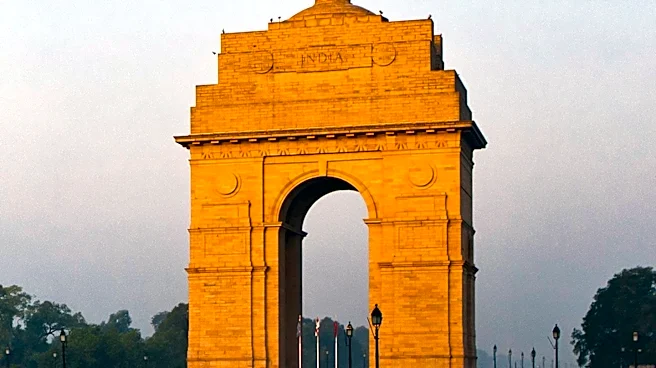
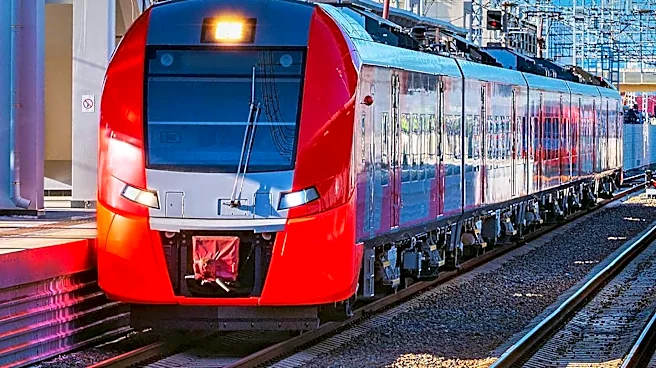
Russia has proposed exploring the feasibility of a direct rail connection to India, aiming to strengthen trade connectivity and reduce reliance on maritime routes. Russian Deputy Prime Minister Marat Khusnullin suggested potential routes through Turkmenistan,
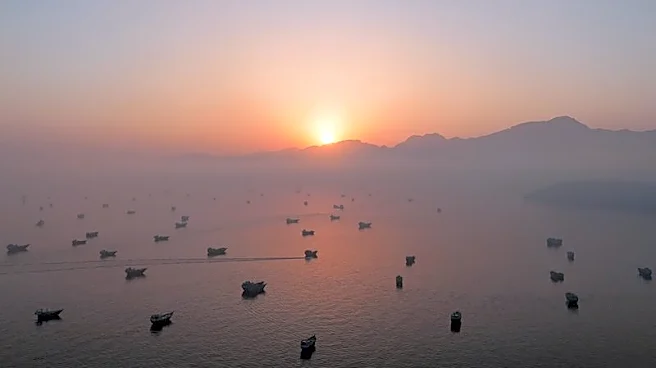
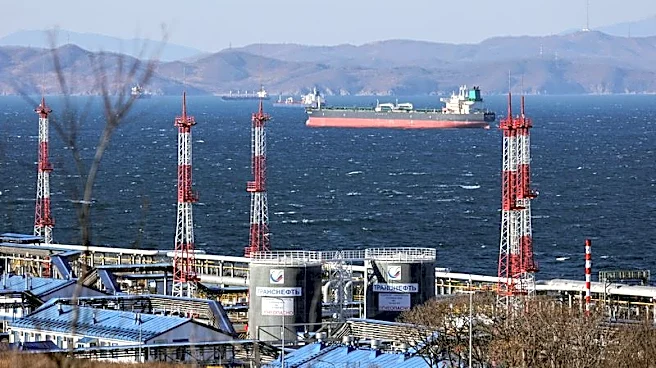
Iran, Afghanistan, and Pakistan. This proposal comes amid concerns over disruptions in major shipping lanes, such as the Strait of Hormuz. The rail link could offer an alternative overland trade route, enhancing Russia's access to the Indian Ocean and supporting its broader push to expand transport connectivity.
Why It's Important?
The proposed rail link reflects Russia's strategic efforts to diversify its trade routes and reduce exposure to geopolitical tensions affecting maritime shipping. By establishing a direct overland connection to India, Russia could enhance its trade relations with South Asia and mitigate risks associated with maritime chokepoints. This initiative aligns with global trends towards developing land-based transport corridors, which can offer more predictable alternatives for freight movement.
What's Next?
The feasibility of the rail link will depend on infrastructure development, political agreements, and security conditions across the proposed route. If pursued, the project would require substantial investment and cross-border coordination. The initiative could prompt discussions among involved countries on transit and customs procedures, potentially leading to new regional partnerships. The success of this project could influence future infrastructure investments and trade policies in the region.
Beyond the Headlines
The proposal highlights the complex geopolitical landscape of Central and South Asia, where infrastructure projects can have significant diplomatic and economic implications. The rail link could reshape regional trade dynamics, offering new opportunities for economic cooperation and development. However, it also poses challenges related to political stability and infrastructure readiness, which will need to be addressed to realize its potential benefits.