




What's Happening?
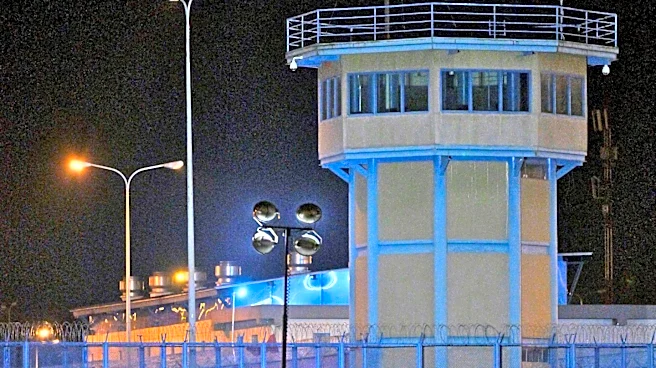
One year after Nebraska Governor Jim Pillen announced a deal to convert the state's Work Ethic Camp into a 300-bed Immigration and Customs Enforcement (ICE) detention facility in McCook, protests against the site are ongoing. Approximately 300 people,
including residents from Omaha and other parts of Nebraska, gathered to voice their opposition to the facility. The protest was organized by groups such as Nebraska Voices, Taco Tuesday Familia, and the American Civil Liberties Union (ACLU) Nebraska. The facility began accepting foreign-born detainees in November, with daily populations fluctuating between 100 and 171 through March, according to the Deportation Data Project. Governor Pillen's spokesperson, Laura Strimple, affirmed the governor's commitment to the ICE partnership, stating it serves for the 'safe and secure detention of illegal detainees.' The state has received $14.6 million from the federal government for the facility, exceeding the initial projected 'base' fee, with renovations expected to be completed later this summer to house up to 300 detainees. State Senator Margo Juarez also raised concerns about new 'isolation rooms' being constructed at the facility, requesting accountability for their usage.
Why It's Important?
The ongoing protests and legal challenges against the McCook ICE facility highlight significant tensions surrounding immigration enforcement and state-federal cooperation in the U.S. The conversion of a rehabilitative state camp into a detention center for migrants raises questions about the allocation of state resources, the treatment of detainees, and the transparency of government decisions. The financial incentives for states to partner with ICE, as evidenced by the $14.6 million received by Nebraska, could influence similar decisions in other states, potentially expanding the national detention infrastructure. Concerns about due process and legal reform for migrants are central to the protests, with advocates arguing that most detainees are held for civil violations rather than criminal offenses. The involvement of state lawmakers, such as Senator Juarez, in questioning the facility's operations, including the use of isolation rooms, underscores the political and ethical dimensions of immigration detention policies. This situation reflects a broader national debate on immigration, human rights, and the role of state governments in federal enforcement efforts.
What's Next?
Protests against the McCook ICE facility are expected to continue, with organizers expressing a strong resolve to fight for due process and legal reform for migrants. The ACLU Nebraska and other advocacy groups are actively working to build a fellowship program to interact with detainees and are pursuing legal avenues to close the facility, with an appeal currently underway after a district judge ruled in favor of the governor. State Senator Margo Juarez plans to continue monitoring the facility, particularly regarding the use of isolation rooms, and intends to work towards ending the McCook ICE partnership when its contract with the state concludes in the fall of 2027. The completion of renovations later this summer, which will allow the facility to house up to 300 detainees, may further intensify advocacy efforts. Additionally, the expansion of the 287(g) program, which deputizes state troopers for immigration enforcement, suggests a continued focus on state-level involvement in federal immigration policies, potentially leading to more detentions and increased scrutiny from civil liberties organizations.
Beyond the Headlines
The situation in McCook reveals deeper implications regarding the federal government's approach to immigration enforcement and its impact on local communities and state autonomy. The conversion of a state-owned facility for federal immigration purposes, despite local opposition and legal challenges, highlights the complex interplay between state and federal powers. The term 'Cornhusker Clink,' used by federal and state officials, has been criticized by residents, indicating a disconnect between official rhetoric and community sentiment. The involvement of organizations like 'Mothers and Others: Justice and Mercy for Immigrants' and the diverse participation in the protests, including Republicans and indigenous leaders, suggest a growing, cross-sectional concern about the human impact of mass deportation policies. The incident where an ICE attorney noted the McCook facility provides 'worst lawyer-client accommodations' points to potential systemic issues in ensuring legal representation and due process for detainees, raising ethical questions about the justice system within immigration enforcement. This ongoing struggle in McCook could serve as a precedent or a cautionary tale for other communities facing similar proposals, influencing future debates on immigration policy and local governance.