




What's Happening?
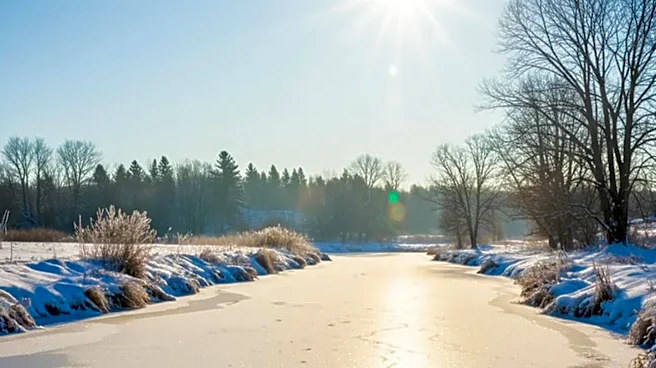
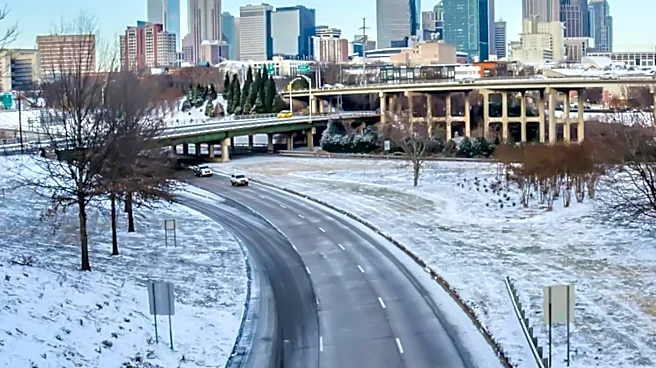
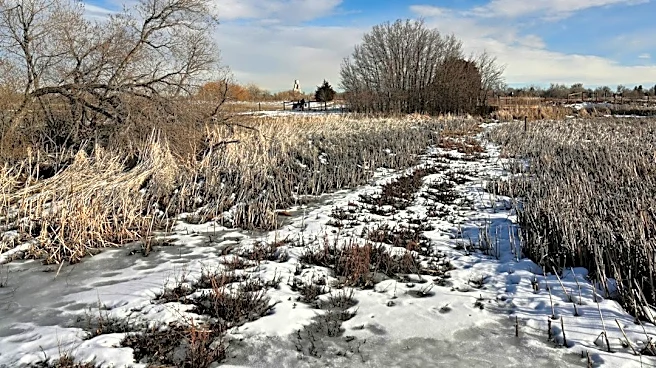
Winston-Salem and Greensboro, North Carolina, experienced their first widespread freeze of the season on Sunday morning, with temperatures dropping into the upper 20s across most of the Piedmont Triad. This cold snap marks a significant shift in weather
patterns for the region. Forecasts indicate that Monday morning will also see temperatures in the upper 20s and low 30s, though afternoon temperatures are expected to climb into the upper 50s. While cold mornings near freezing are anticipated to continue for the next few days, afternoons are projected to become milder by midweek. The weather is expected to remain sunny and dry throughout this period.
Why It's Important?
The onset of freezing temperatures in Winston-Salem and Greensboro has several immediate impacts. For residents, it necessitates taking precautions against the cold, such as dressing warmly and protecting pipes. For agriculture, particularly any late-season crops, these freezing temperatures could pose a risk, potentially affecting yields or requiring protective measures. Energy consumption for heating is likely to increase, which could lead to higher utility bills for households and increased demand on local power grids. The shift to colder weather also signals the beginning of the winter season, prompting communities to prepare for potential winter weather challenges and ensuring that vulnerable populations have access to warmth and shelter.
What's Next?
Residents in Winston-Salem and Greensboro should prepare for continued cold mornings near freezing for the next few days. While afternoon temperatures are expected to gradually warm up by midweek, the initial cold snap requires vigilance. Local authorities and utility companies will likely monitor energy demand and infrastructure to ensure reliability. Individuals are advised to take necessary steps to protect themselves and their property from the cold, such as checking on elderly neighbors and ensuring pets are brought indoors. The long-term forecast suggests a return to milder afternoon temperatures, but the initial freeze serves as a reminder of the approaching winter season.
Beyond the Headlines
The first widespread freeze of the season often triggers a broader awareness of climate patterns and seasonal changes. For some, it might prompt reflections on the variability of local weather and its potential impacts on daily life and regional economies. From an environmental perspective, the timing and intensity of the first freeze can influence local ecosystems, affecting plant dormancy cycles and animal behavior. This event also highlights the importance of community preparedness and resilience in the face of changing weather conditions, emphasizing the need for robust infrastructure and social support systems to protect residents during extreme weather events.