






What's Happening?
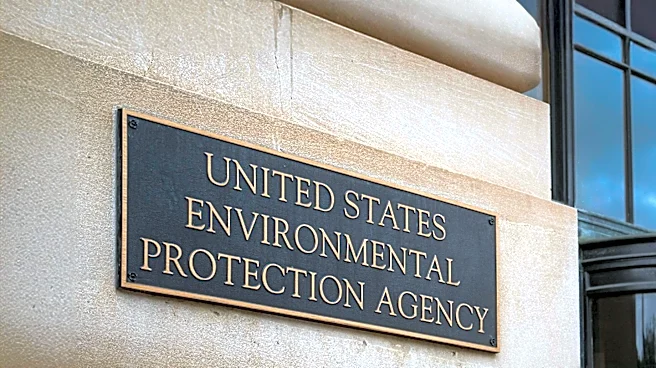
The Environmental Protection Agency (EPA) recently hosted a demonstration of emerging technologies aimed at improving the identification of lead service lines. The event took place at the EPA’s Lead Service Line Identification Test Bed in Edison, New
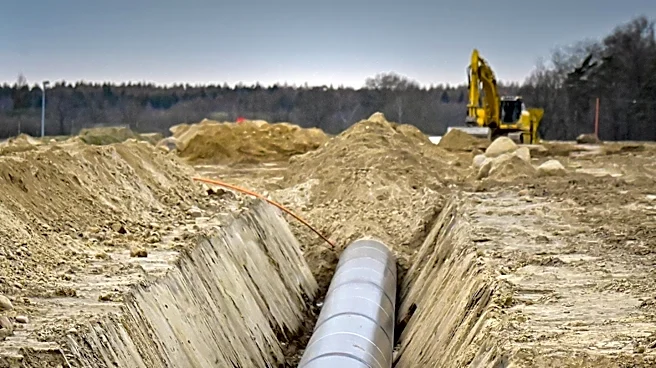
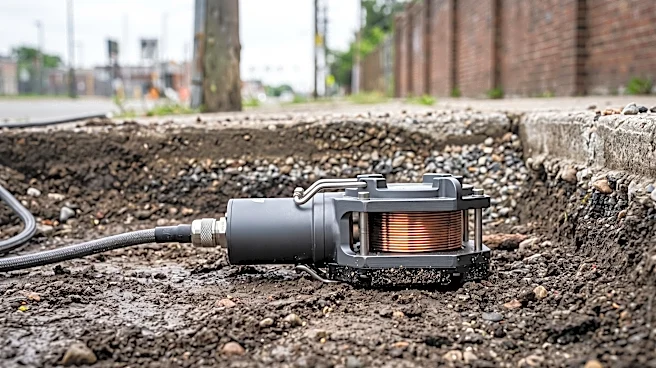
Jersey. Researchers from Dartmouth College showcased their electromagnetic induction (EMI) technology, which uses electromagnetic fields to differentiate pipe materials like lead and copper without excavation. Drexel University’s team presented their stress wave technology, which employs mechanical vibrations to locate lead service lines by analyzing signals captured by ground sensors. These innovative methods promise to identify lead service lines more quickly, affordably, and with less disruption than traditional excavation techniques. According to Teresa Booeshaghi, associate administrator of the Office of Applied Science and Environmental Solutions (OASES), the test bed provides a crucial space for evaluating these technologies under controlled conditions to address a significant public health challenge. Most public water systems, over 97%, have already completed initial inventories of their service line materials as required by the Safe Drinking Water Act.
Why It's Important?
The development and deployment of these new lead identification technologies are critical for public health, particularly for vulnerable populations like young children who are most susceptible to lead exposure. Lead service lines, which transport drinking water from mains to buildings, pose serious health risks if made of lead. The ability to identify these lines more efficiently and cost-effectively will accelerate their replacement, directly reducing lead contamination in drinking water across the nation. Michael Martucci, EPA Region 2 administrator, emphasized that effective identification is the first step towards replacement, stating, “You can’t replace what you can’t find.” This technological advancement will empower water systems to more accurately pinpoint lead pipes, thereby streamlining remediation efforts and safeguarding communities from the long-term health consequences associated with lead exposure. The reduction in the need for expensive and disruptive excavation also translates to significant cost savings for municipalities and less inconvenience for residents.
What's Next?
The EPA will continue to evaluate and potentially endorse these and other innovative technologies for lead service line identification. Successful demonstrations at the test bed could lead to broader adoption by public water systems nationwide. As these technologies become more refined and widely available, water utilities will be better equipped to meet federal mandates under the Safe Drinking Water Act for identifying and eventually replacing lead infrastructure. Further research and development may focus on enhancing the accuracy, speed, and versatility of these tools to operate in diverse environmental conditions. The EPA's ongoing commitment to advancing the science behind lead service line identification suggests a future where lead pipes are systematically located and removed, leading to safer drinking water for all Americans. Collaboration between academic institutions, technology developers, and regulatory bodies will be key to scaling these solutions.
Beyond the Headlines
The push for advanced lead identification technologies highlights a broader shift towards leveraging scientific innovation to address persistent environmental health challenges. Beyond the immediate benefit of identifying lead pipes, these methods represent a paradigm shift in infrastructure management, moving from reactive problem-solving to proactive, data-driven interventions. The reduced reliance on invasive excavation methods also has environmental benefits, minimizing ground disturbance and potential disruption to ecosystems. Furthermore, the success of these technologies could inspire similar approaches in other areas of environmental remediation, such as identifying other hazardous materials in aging infrastructure. This initiative underscores the importance of public-private partnerships and academic research in developing practical solutions for complex public health issues, ultimately contributing to more resilient and healthier communities nationwide.