







What's Happening?
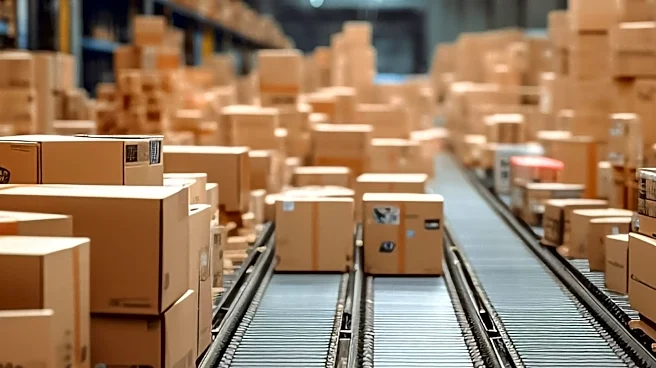
United Food Bank is undertaking a significant expansion of its Mesa warehouse to address the escalating demand for food assistance across the Valley. According to CEO Jason Reed, the current facility is at capacity, with nonperishable food items being
stored in trucks outside due to the volume of donations. The planned expansion will notably increase space for freezers and coolers, enabling the food bank to store and distribute more fresh produce and other perishable foods. This initiative aims to enhance the organization's capacity to provide healthy food options to families experiencing financial strain. The need for food assistance has surged, with demand for the food bank's services increasing by 61% in the past three years, a trend attributed to rising living expenses making it difficult for families to meet basic needs.
Why It's Important?
This expansion is crucial for addressing the growing food insecurity in Maricopa County, where approximately 500,000 people are experiencing food insecurity, according to leaders at Paz de Cristo Community Center, a partner of United Food Bank. The ability to store more fresh and perishable foods means that families in need will have access to healthier dietary options, which is vital for overall well-being. By providing food assistance, the food bank helps alleviate financial pressure on families, allowing them to allocate resources to other essential expenses like rent. This effort supports community stability and public health, as access to nutritious food is a fundamental human right and necessity. The increased capacity will also bolster the support provided to community partners, amplifying the reach and impact of food assistance programs across the region.
What's Next?
While the United Food Bank has a clear plan for expansion, a definitive timeline for construction is not yet established. CEO Jason Reed indicated that the organization is currently working with Mesa city officials to secure the necessary permits for the project. Once construction commences, the expansion effort is anticipated to take approximately two years to complete. During this period, the food bank will likely continue to manage its current storage limitations while preparing for the increased operational capacity. The successful completion of this project will significantly enhance the food bank's ability to serve the community, potentially leading to broader distribution networks and more comprehensive support for those facing food insecurity.
Beyond the Headlines
The rising demand for food assistance, which has seen a 61% increase in three years, highlights a deeper societal issue: the growing struggle of families to make ends meet due to escalating living expenses. This trend suggests that economic pressures are pushing more households into precarious situations, where basic necessities like food become a significant burden. The United Food Bank's expansion, while a practical solution to immediate needs, also underscores the systemic challenges related to affordability and economic equity. It points to the critical role of non-profit organizations in filling gaps left by economic disparities and the potential for community-led initiatives to mitigate widespread hardship. The long-term implications could involve increased advocacy for policies addressing cost of living and income inequality, as the demand for such services continues to grow.