




What's Happening?
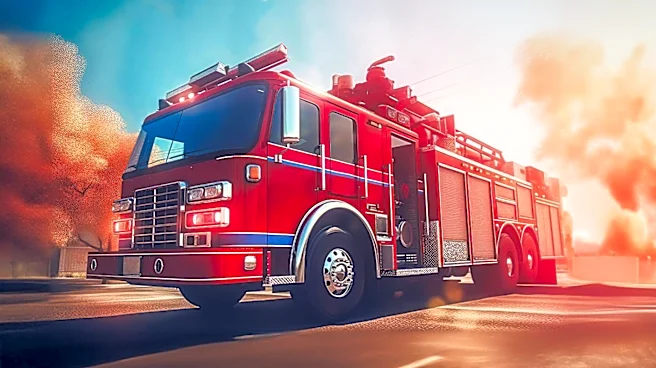
A fire at the Savannah River National Laboratory in South Carolina, a facility that produces materials for U.S. nuclear weapons, triggered an emergency response. The incident occurred on Wednesday, with the emergency declared at 5:39 p.m. and the fire subsequently
extinguished. Site officials confirmed that no contamination was reported outside the affected facility. As a precautionary measure, traffic at the facility's entrances was temporarily shut down, and air, rail, and river traffic in the surrounding area were restricted. Employees in the impacted areas who were not involved in the emergency response were sheltered. The Savannah River Site, where the laboratory is located, was established in the 1950s to produce tritium and plutonium for U.S. nuclear weapons. Today, it continues to produce tritium, handles spent nuclear fuel, and stores uranium and plutonium. The laboratory area specifically focuses on research rather than large-scale material production and storage. The site is also central to the U.S. government's initiative to reestablish mass production of nuclear warheads, with the National Nuclear Security Administration (NNSA) recently approving full-scale construction of a facility for producing plutonium pits, the explosive core of modern nuclear weapons, estimated to cost around $23.5 billion.
Why It's Important?
This incident highlights the inherent risks associated with facilities involved in nuclear materials production and research, even with robust safety protocols in place. While no contamination was reported, any event at such a site necessitates immediate and comprehensive emergency responses due to the potential for severe environmental and public health consequences. The Savannah River Site's ongoing role in producing tritium and its planned expansion for plutonium pit production underscore its critical importance to the U.S. nuclear weapons complex and national security. The $23.5 billion investment in a new plutonium pit facility signifies a significant commitment to modernizing and maintaining the U.S. nuclear arsenal. This commitment has implications for international non-proliferation efforts and the broader geopolitical landscape, as the U.S. continues to balance its strategic deterrence needs with global disarmament goals. The incident also brings attention to the operational safety and security measures at these vital national facilities, ensuring public confidence and environmental protection.
What's Next?
Following the fire, the immediate next steps involve a thorough investigation into the cause of the incident at the Savannah River National Laboratory. Site officials will likely conduct a detailed review of emergency response procedures and facility safety protocols to identify any areas for improvement. The NNSA's plans for the full-scale construction of the plutonium pit production facility at the Savannah River Site are expected to proceed, given its strategic importance to the U.S. nuclear deterrent. This construction project will face continued scrutiny regarding its budget, timeline, and environmental impact. Public and regulatory bodies will likely monitor the site's operations closely, especially in light of this recent event, to ensure adherence to safety standards and prevent future incidents. The long-term implications include ongoing efforts to manage nuclear waste and ensure the secure storage of nuclear materials at the site, alongside its primary mission of supporting the U.S. nuclear weapons program.
Beyond the Headlines
The fire at the Savannah River National Laboratory, despite being contained without external contamination, underscores the persistent challenges and responsibilities associated with maintaining a nuclear arsenal. Beyond the immediate safety concerns, such incidents can fuel public debate about the necessity and risks of nuclear weapons production. It also highlights the complex interplay between national security imperatives, environmental stewardship, and public safety. The substantial investment in plutonium pit production at the Savannah River Site reflects a strategic decision to ensure the long-term viability of the U.S. nuclear deterrent, a decision that carries significant ethical and geopolitical weight. This ongoing commitment to nuclear weapons modernization occurs within a global context where the threat of nuclear proliferation remains a critical international concern. The incident serves as a reminder of the continuous need for vigilance, transparency, and robust oversight in managing facilities that handle highly sensitive and dangerous materials, shaping public perception and policy discussions around nuclear energy and defense.