






What's Happening?
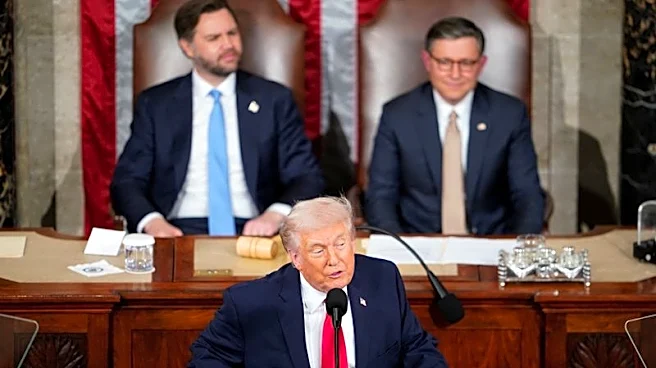
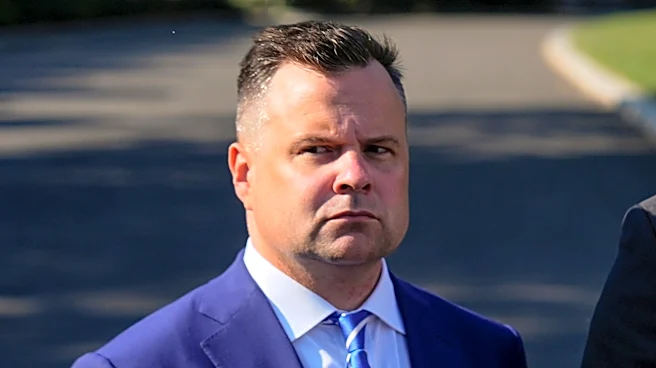
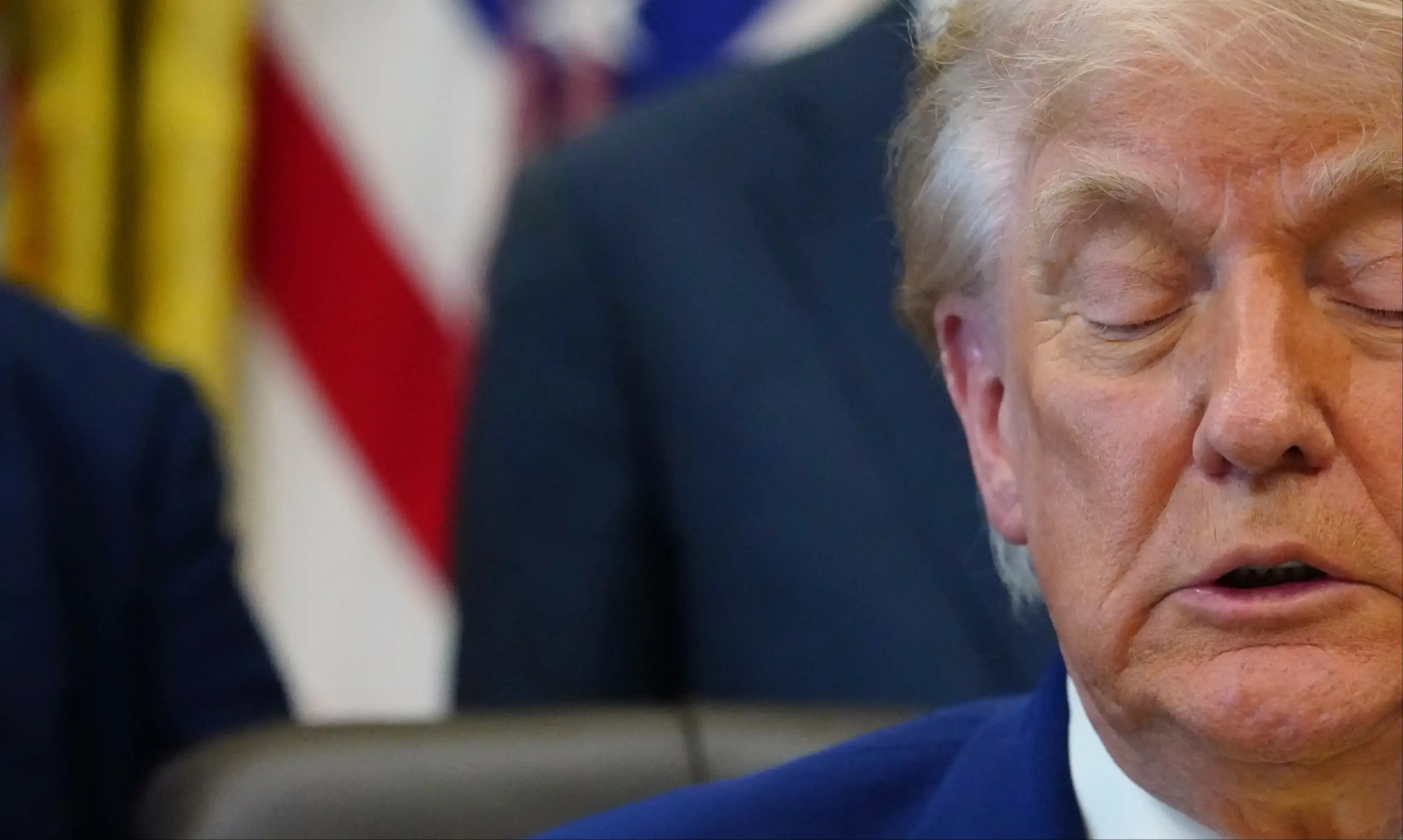
President Trump has appointed Pulte as the acting director of national intelligence with a mandate to reduce the size of the office. This move follows the resignation of Tulsi Gabbard, who had already initiated a significant downsizing of the office,
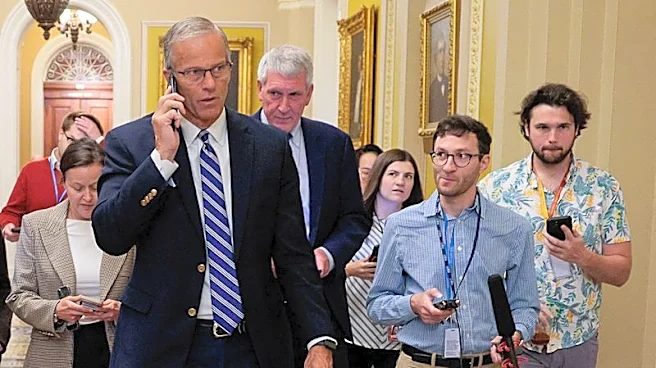
citing inefficiency. Under Gabbard, the office's budget was cut by over $700 million annually, and the workforce was reduced by approximately 40%. Trump has expressed that Pulte's temporary appointment is strategic, allowing him to implement further reductions before a permanent director is confirmed. This decision has faced bipartisan resistance in the Senate, particularly concerning the renewal of a national security surveillance program, as some Democrats have expressed distrust in Pulte's ability to manage the program.
Why It's Important?
The downsizing of the national intelligence office under President Trump's administration reflects a broader agenda to streamline government operations. This move could have significant implications for national security, as the office oversees 18 intelligence agencies. The reduction in budget and personnel may impact the office's ability to effectively manage intelligence operations and national security programs. The resistance from the Senate highlights concerns about the potential weakening of intelligence capabilities and oversight, which could affect the U.S.'s ability to respond to security threats. The decision also underscores the ongoing tension between the executive branch and Congress over control and oversight of national security matters.
What's Next?
The appointment of a permanent director of national intelligence remains pending, with President Trump considering several candidates. The Senate's response to Pulte's temporary appointment and the potential confirmation of a new director will be critical in determining the future direction of the office. Additionally, the ongoing debate over the national security surveillance program may lead to further legislative scrutiny and potential adjustments to the administration's approach to intelligence operations.