
What's Happening?
Former Canadian Prime Minister Justin Trudeau addressed the ongoing conflict in the Middle East during the CNBC CONVERGE LIVE event in Singapore. Trudeau expressed concerns about the prolonged instability
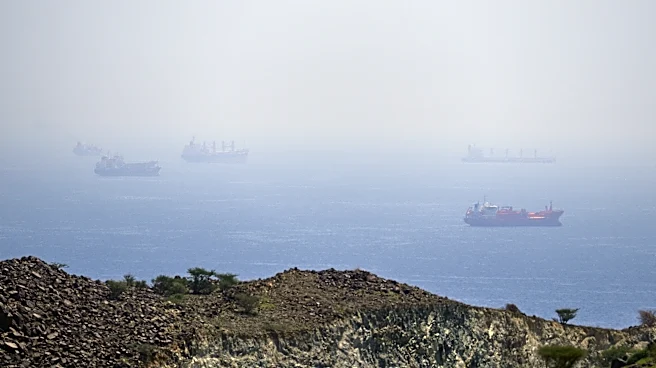
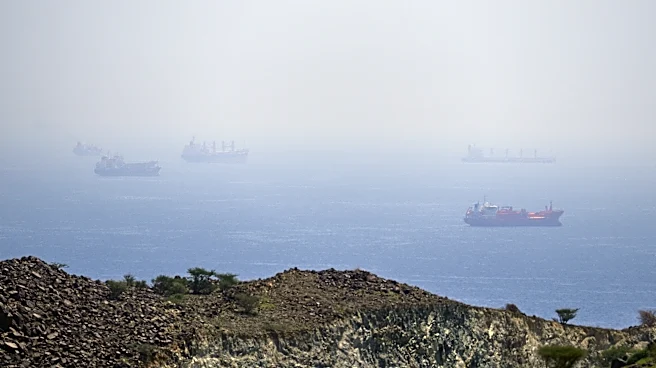
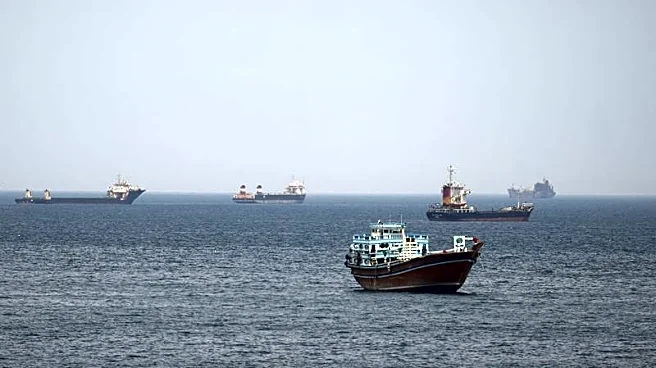
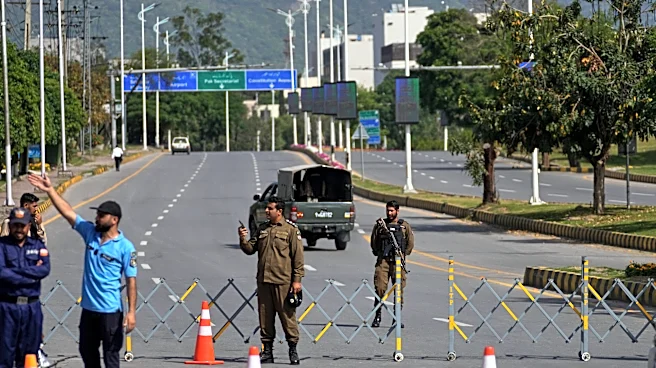
in the region, particularly in the Strait of Hormuz, despite a recent ceasefire extension. He criticized international financial institutions like the WTO and IMF for being ill-equipped to handle modern challenges. The conflict, involving the U.S. and Iran, has led to heightened tensions and market volatility, with Asian markets experiencing losses due to investor uncertainty. The U.S. reportedly intercepted Iranian oil tankers, further complicating the situation. Trudeau's remarks underscore the challenges in achieving a lasting peace in the region.
Why It's Important?
The instability in the Middle East has significant implications for global markets and geopolitical dynamics. The Strait of Hormuz is a critical chokepoint for global oil supply, and disruptions can lead to increased energy prices and economic uncertainty. Trudeau's comments highlight the inadequacy of current international institutions in addressing such crises, suggesting a need for reform. The conflict's impact on markets is evident, with Asian stocks fluctuating and futures in Europe and the U.S. pointing to potential losses. This situation underscores the interconnectedness of global economies and the potential for regional conflicts to have widespread economic repercussions.
What's Next?
The ongoing conflict in the Middle East is likely to continue influencing global markets and geopolitical relations. Stakeholders, including political leaders and international organizations, may need to explore new strategies for conflict resolution and economic stability. The interception of Iranian oil tankers by the U.S. could escalate tensions, prompting further diplomatic efforts or military responses. Investors and policymakers will be closely monitoring developments, as any escalation could have significant economic and political consequences. The need for effective international cooperation and updated institutional frameworks may become more pressing as the situation evolves.